
General Skin Care & Health
At Home Facial: Achieve Glowing Skin in Simple Steps

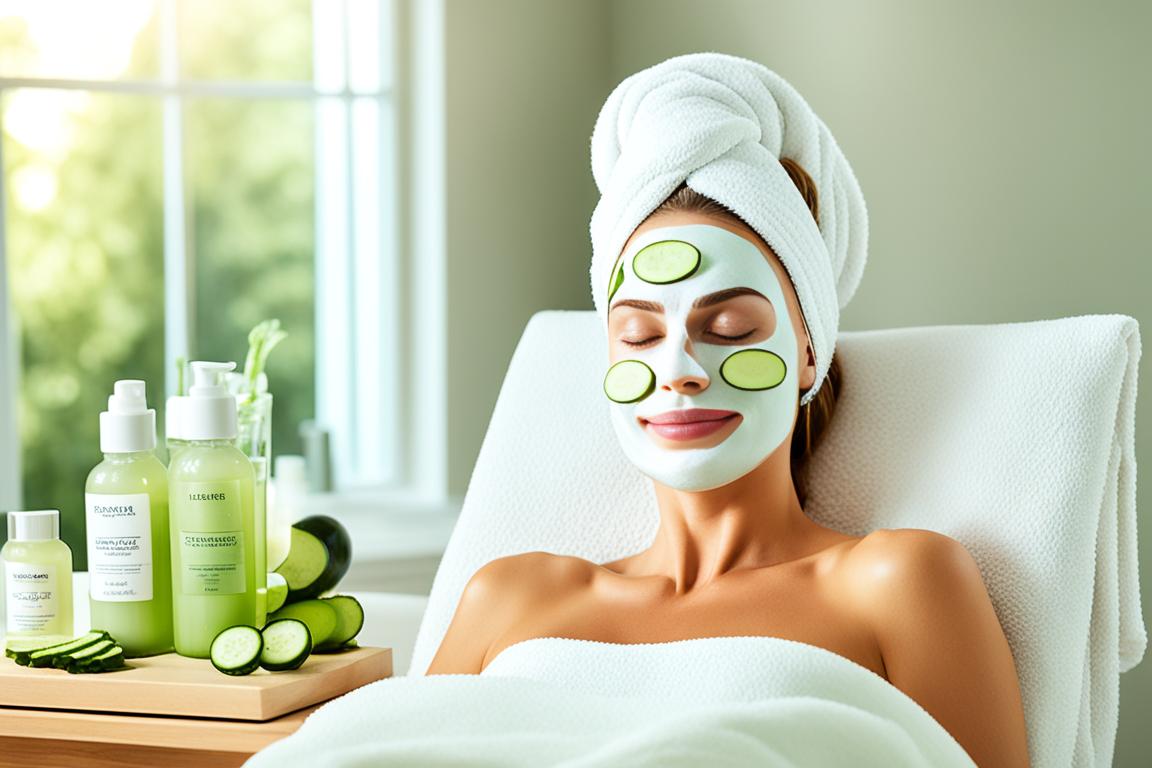
Treating yourself to a facial is a luxurious self-care ritual that can leave your skin glowing. With the current pandemic closing spas and salons, an at-home facial is the perfect alternative. There are plenty of skincare products and tools available in the market that make it easy to recreate a spa-like experience at home. By following a few simple steps, you can achieve a natural and rejuvenating skincare routine right in the comfort of your own home.
While indulging in an at home facial, you can enjoy the convenience and flexibility of creating your own spa experience. Natural skincare is gaining popularity, and DIY beauty treatments are becoming a favorite among individuals who want to take control of their skincare routine. An at-home facial allows you to customize the products and techniques that suit your skin type and address specific concerns.
Whether you’re a skincare enthusiast or a beginner, an at-home facial is an accessible and affordable way to care for your skin. You don’t need to be an expert or have an extensive collection of products. By focusing on the key steps of cleansing, exfoliating, steaming, extracting, masking, massaging, and moisturizing, you can achieve remarkable results.
Throughout this article, we will guide you through each step of an at-home facial, providing you with the information you need to achieve glowing skin. From the best products to use to expert tips and techniques, we’ve got you covered. So, grab your favorite skincare products and get ready to embark on a journey to radiant and healthy skin.
Step 1: Cleanse
One of the essential steps in an at-home facial is cleansing your skin. To start, use a gentle cleansing lotion or oil cleanser that effectively removes makeup and dirt from your face. Massage the cleansing lotion or oil onto your dry skin, allowing it to dissolve any impurities. Wet your fingertips and continue massaging your face to emulsify the cleanser. Rinse thoroughly with lukewarm water and gently pat dry with a soft microfiber washcloth.
After the initial cleansing, follow up with a sulfate-free, low-foaming gel cleanser that suits your skin type. Avoid cleansers that strip away your skin’s natural oils and opt for nourishing options instead. For oily skin, a cleanser designed to remove excess oil can be beneficial. Dry skin may benefit from a moisturizing cleanser, while normal skin can opt for a gentle exfoliating cleanser to promote skin renewal.
By incorporating a double cleansing routine with a cleansing lotion or oil cleanser followed by a suitable gel cleanser, you can effectively remove dirt, makeup, and impurities from your skin, leaving it clean and refreshed.
The Importance of Choosing the Right Cleanser
Choosing the right cleanser based on your skin type is crucial for an effective at-home facial. Cleansing lotions and oil cleansers work well for all skin types and are particularly effective at removing makeup and sunscreen. Foaming gel cleansers are generally suitable for oily or combination skin types as they help control excess oil. Exfoliating cleansers gently slough away dead skin cells, revealing a brighter complexion.
It is important to avoid harsh cleansers that may disrupt the skin’s natural barrier or cause dryness. Look for cleansers that contain hydrating ingredients like hyaluronic acid or ceramides to keep your skin moisturized during the cleansing process.
Benefits of Cleansing
Proper cleansing is the foundation of any skincare routine and plays a vital role in maintaining a healthy complexion. By incorporating regular cleansing into your at-home facial, you can enjoy the following benefits:
- Removal of dirt, oil, and impurities that can clog pores
- Prevention of breakouts and acne by keeping the skin clean
- Improved absorption of skincare products, allowing them to penetrate deeply
- Enhanced skin radiance and a more even skin tone
- Reduced appearance of fine lines and wrinkles
- Refreshed and revitalized skin that feels soft and smooth
My Recommended Cleansing Products
| Cleansing Lotion | Oil Cleanser | Foaming Gel Cleanser | Exfoliating Cleanser |
|---|---|---|---|
| Cetaphil Gentle Skin Cleanser | The Ordinary Squalane Cleanser | La Roche-Posay Effaclar Purifying Foaming Gel Cleanser | Paula’s Choice Skin Perfecting 2% BHA Liquid Exfoliant |
| Bioderma Sensibio H2O Micellar Water | DHC Deep Cleansing Oil | CeraVe Foaming Facial Cleanser | Skinceuticals LHA Cleansing Gel |
Step 2: Exfoliate
Exfoliating is an essential step in an at-home facial to remove dead skin cells and ensure optimal absorption of skincare products. To achieve effective exfoliation, there are two types of exfoliators you can use: physical exfoliators and chemical exfoliators.
Physical Exfoliators
Physical exfoliators are often referred to as facial scrubs and can be found in a variety of formulations. These scrubs contain small particles or granules that physically slough off dead skin cells when gently massaged onto the skin. It is important to choose a facial scrub with fine particles to avoid irritating or damaging the skin.
Popular physical exfoliators include:
- Facial scrub: Look for scrubs with natural ingredients like sugar, coffee grounds, or jojoba beads for gentle exfoliation.
- At-home microdermabrasion tools: These devices use suction or rotating heads to remove dead skin cells, providing a deeper exfoliation.

Chemical Exfoliators
Chemical exfoliators, on the other hand, rely on acids like lactic or glycolic acid to dissolve the bonds that hold dead skin cells together. This type of exfoliation is gentler and often more suitable for sensitive skin.
Common chemical exfoliators include:
- Lactic acid: Derived from milk, lactic acid gently exfoliates and hydrates the skin, making it ideal for sensitive skin types.
- Glycolic acid: This alpha hydroxy acid (AHA) is derived from sugarcane and offers effective exfoliation for a brighter and smoother complexion.
For best results, it is recommended to incorporate both physical and chemical exfoliators into your skincare routine. Start by applying an acid exfoliator and leaving it on for around 10 minutes. This gives the acid enough time to work its magic on your skin. Next, follow up with a physical scrub to physically remove the loosened dead skin cells. Adjust the frequency of exfoliation based on your skin type – oily skin can tolerate more frequent exfoliation, while dry or sensitive skin should limit exfoliation to once a week.
Comparison of Physical and Chemical Exfoliators
| Physical Exfoliators | Chemical Exfoliators |
|---|---|
| Facial scrub | Lactic acid |
| At-home microdermabrasion tools | Glycolic acid |
Step 3: Steam
Steaming the face is a crucial step in an at-home facial, offering numerous benefits for the skin. The process involves opening up the pores, melting hardened oils (blackheads), increasing blood flow, and hydrating the skin. By incorporating steam into your skincare routine, you can achieve a healthier and more radiant complexion.
One convenient way to create steam at home is by using an at-home steamer or a facial steamer. These devices are specifically designed to emit a controlled stream of hot steam, providing a spa-like experience in the comfort of your own bathroom. Facial steamers come in various sizes and styles, allowing you to choose one that suits your preferences and needs.
Alternatively, you can create your own steam by filling a bowl with warm or hot water and placing a towel over your head while hovering over the bowl. This simple DIY method can effectively generate steam and is accessible to everyone.
To reap the benefits of steaming, it is recommended to steam your face for about 5-10 minutes. This timeframe is sufficient to open up the pores and prepare the skin for further treatments. However, it’s important to note that steaming alone isn’t enough. To prevent dehydration of the skin, it’s crucial to follow up with moisturizing products or extractions immediately after steaming.
Steaming is generally safe for most skin types, but it’s essential to consult a dermatologist if you have specific skin problems like melasma that may not be suitable for steaming. A professional can provide personalized advice and guide you on the proper use of steaming in your skincare routine.
The Benefits of Steaming:
- Opens up the pores, allowing for deeper cleansing and better product absorption
- Softens blackheads and makes them easier to remove
- Increases blood circulation, promoting a healthy, glowing complexion
- Hydrates the skin, improving moisture retention and plumping up fine lines
- Relaxes facial muscles and reduces tension, offering a calming and soothing experience
By incorporating steam into your at-home facial, you can enhance the effectiveness of your skincare routine and promote overall skin health.
Step 4: Extract
If you’re comfortable with extracting your own blackheads, it’s important to do it correctly to prevent skin damage. You can use an extractor tool or your fingers wrapped in tissue or toilet paper. Gently squeeze around the blackhead, changing your positioning to prevent skin irritation, and dab with a topical acne treatment if necessary. However, be cautious and stop if nothing comes out or if you experience pain. It’s always best to consult a professional if you’re unsure about performing extractions on your own.
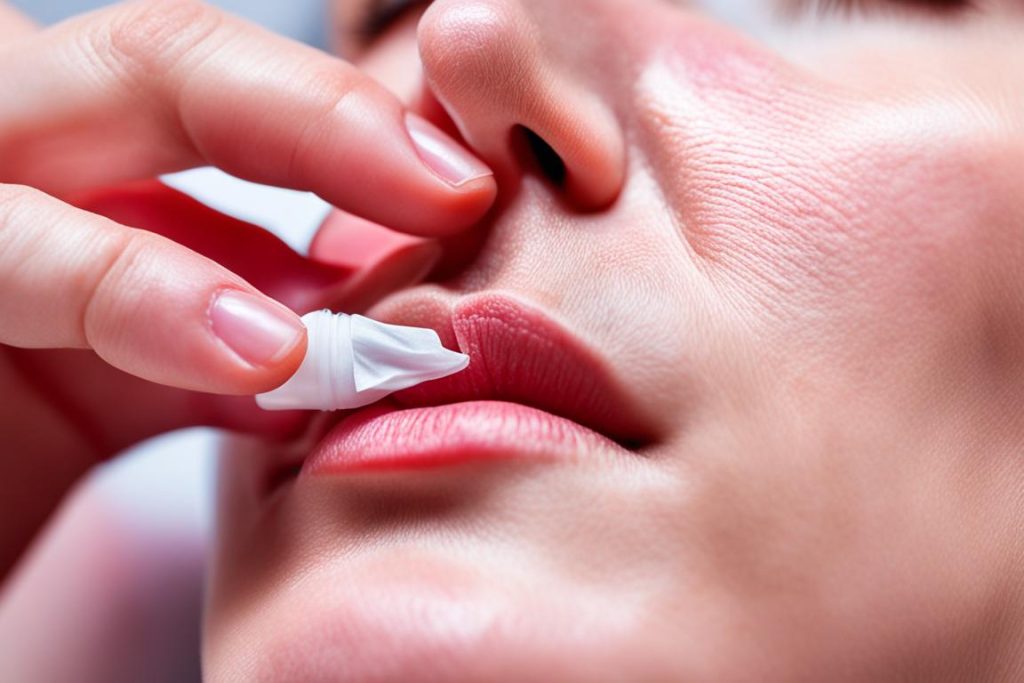
| Extraction Tools | Key Features |
|---|---|
| Extractor Tools | – Designed specifically for blackhead extraction – Different tips for different types of blackheads |
| Fingers Wrapped in Tissue or Toilet Paper | – Convenient and accessible – Provides gentle pressure to extract blackheads |
Step 5: Mask
Applying a mask is a favorite part of an at-home facial. It’s a relaxing and indulgent step that allows your skin to soak in all the beneficial ingredients it needs. There are various types of masks available to cater to different skin concerns and preferences.
Gel Mask
A gel mask is perfect for those looking for a cooling and calming effect. It provides hydration and soothing properties, making it suitable for all skin types. Gel masks are often infused with ingredients like aloe vera, cucumber, or hyaluronic acid, which help replenish moisture and restore a healthy glow to your skin.
Clay Mask
If you have oily or acne-prone skin, a clay mask can be a game-changer. Clay masks are known for their oil-absorbing properties and ability to draw out impurities from the pores. They help control excess oil, minimize the appearance of pores, and leave your skin feeling refreshed and purified. Look for clay masks with ingredients like kaolin, bentonite, or charcoal.
Cream Mask
For dry or dehydrated skin, a cream mask is the go-to choice. Cream masks are rich in nourishing ingredients and provide intense hydration. They help restore moisture to the skin, improve elasticity, and leave your complexion feeling soft and supple. Look for cream masks with ingredients like shea butter, jojoba oil, or ceramides.
Sheet Mask
Sheet masks have gained popularity for their convenience and effectiveness. These masks are infused with a serum or essence and come in a sheet form that you place on your face. Sheet masks provide instant hydration and deliver a concentrated dose of nutrients to the skin. They are available in a variety of formulations to address specific skincare concerns, such as brightening, firming, or soothing.
DIY Mask
If you prefer a more natural approach or want to customize your mask, you can create your own DIY mask using ingredients from your kitchen. Yogurt, honey, oatmeal, avocado, and papaya are just a few examples of ingredients that can be used to make a nourishing and effective mask. DIY masks allow you to tailor the formulation to your skin’s unique needs.
Choose a mask that suits your skincare needs and apply it to clean, dry skin. Leave the mask on for the recommended time (usually 10-20 minutes) to allow the ingredients to work their magic. During this time, you can sit back, relax, and enjoy the process. Once the time is up, gently remove the mask with a damp washcloth and follow up with your favorite moisturizer for a finishing touch.
Step 6: Massage and Step 7: Moisturize
After removing the mask, it’s time to give your skin some extra love with a rejuvenating facial massage. Facial massage not only feels incredibly relaxing, but it also has amazing benefits for your skin. By increasing circulation and lymphatic drainage, facial massage helps to reduce puffiness and promote a radiant complexion.
You have a few options when it comes to giving yourself a facial massage. You can use your fingers and gentle upward motions, or you can enhance the experience with tools like a facial roller or gua sha tool. These tools, when paired with a nourishing facial oil, can provide deeper relaxation and rejuvenation.
Start massaging from the middle of your face and work your way outward. Use gentle upward strokes to lift and firm your skin. If you have oily skin, opt for facial oils like jojoba or sesame oil. For dry skin, indulging in the hydration of coconut, borage, rosehip, or avocado oil is a great choice. Take the time to pamper your delicate eye area with an eye cream, and don’t forget to finish off with a moisturizer to seal in all the nutrients and keep your skin beautifully hydrated. Select a moisturizer that suits your skin type — lightweight for oily skin and with a richer texture for dry skin.


