
General Skin Care & Health
My Ultimate Guide to Skin Care for Crepey Skin

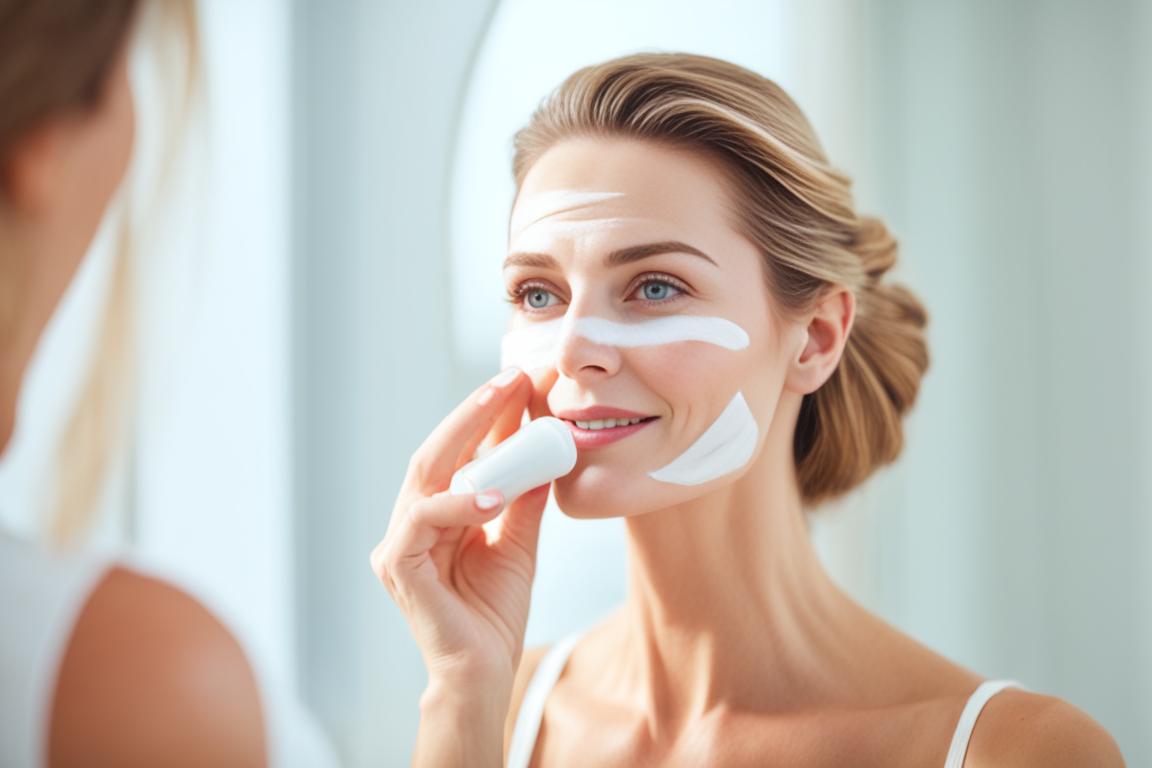
Crepey skin is a common concern associated with aging. It is characterized by saggy, crinkled, and loose skin that may appear dull and wrinkled. In this ultimate guide, I have gathered expert advice from dermatologists to provide you with effective treatment options and ingredients that can help prevent and mask the appearance of crepey skin.
Let’s delve into the nine expert-approved methods to treat crepey skin and rejuvenate your complexion.
What Causes Crepey Skin?
Crepey skin occurs when the skin loses collagen and elastin, proteins responsible for maintaining its structure and elasticity. While wrinkles are mainly influenced by genetics, facial movement, and sun damage, crepey skin is often the result of UV damage from prolonged sun exposure. The breakdown of elastin fibers in the skin contributes to the crepe-like texture and sagging appearance.
Collagen and elastin are essential for firm and youthful-looking skin. Collagen provides structural support, while elastin allows the skin to stretch and bounce back. As we age, the production of collagen and elastin slows down, leading to a loss of skin elasticity. This decreased elasticity, combined with sun damage, can result in the development of fine lines, wrinkles, and crepey skin.
Excessive sun exposure, especially without proper protection, accelerates the breakdown of collagen and elastin in the skin. UV rays penetrate the skin and cause damage to these proteins, leading to a weakened skin structure. Over time, this damage manifests as crepey skin, characterized by a thin, wrinkled appearance and a lack of firmness.
The image above depicts the effects of sun damage on the skin, showcasing the importance of sun protection in preventing and minimizing crepey skin.
It’s important to note that while sun damage is a significant contributor to crepey skin, other factors such as aging, gravity, moisture loss, and genetics also play a role. As we age, the natural production of collagen and elastin decreases, causing a loss of skin firmness and elasticity. Gravity can further exacerbate the sagging and crepe-like texture of the skin, especially in areas prone to aging, such as the neck and décolleté. Additionally, a decline in moisture levels can lead to changes in skin texture, making it more susceptible to crepey skin. Finally, genetics can influence an individual’s predisposition to skin aging and the development of crepey skin.
Treatment Options for Crepey Skin
When it comes to treating crepey skin, there are several effective options that can help improve its appearance and restore a firmer, more youthful look. These treatment options include:
- Firming Creams: Moisturizers containing collagen boosters, such as retinoids, can combat collagen loss and improve skin plumpness and elasticity. These creams help to firm and tighten crepey skin, reducing the depth and length of wrinkles.
- Hydrating Ingredients: Alpha hydroxy acids, like glycolic acid, are excellent exfoliants that also hydrate the skin. By improving the skin’s texture, these acids help to smooth out crepey areas and promote a more youthful appearance.
- Antioxidants: Antioxidants, such as resveratrol, offer multiple benefits when it comes to addressing crepey skin. They enhance skin elasticity, diminish wrinkles, and protect against UV damage. Look for products that contain potent antioxidants to help rejuvenate your skin.
- Collagen Boosters: Peptide creams can stimulate collagen production in the skin, which helps to restore firmness and improve the overall appearance of crepey areas. By reducing the depth and length of wrinkles, these creams contribute to a smoother, more youthful complexion.
By incorporating these treatment options into your skincare routine, you can effectively address crepey skin and achieve a firmer, more rejuvenated complexion. It’s important to choose products that are specifically formulated to target crepey skin and feature these key ingredients. Consult with a dermatologist to determine the best treatment options for your skin type and concerns.
A Word of Caution
While these treatment options can be highly effective, it’s essential to use them as directed and give your skin time to adjust. Introduce new products gradually to avoid irritation, and always perform a patch test before applying them to larger areas of skin. If you experience any adverse reactions, discontinue use and consult a healthcare professional.
Remember, consistency is key when treating crepey skin. Stick to a regular skincare regimen and give your skin time to respond to the treatments. With patience and the right combination of products, you can successfully improve the appearance of crepey skin and achieve a smoother, firmer complexion.
The Role of Sunscreen in Crepey Skin Care
Sun exposure is a significant contributor to the development of crepey skin. When our skin is exposed to the sun’s harmful UV rays, it can result in photo-damage, leading to a decrease in the production of collagen and elastin, two vital proteins responsible for maintaining the skin’s structure and elasticity.
To protect your skin from further photo-damage and improve the appearance of crepey skin, it is essential to incorporate sunscreen with a high Sun Protection Factor (SPF) into your daily skincare routine. Applying sunscreen or a moisturizer with SPF to exposed areas of your skin can provide essential protection against the damaging effects of UV rays, helping to maintain your skin’s natural moisture barrier.
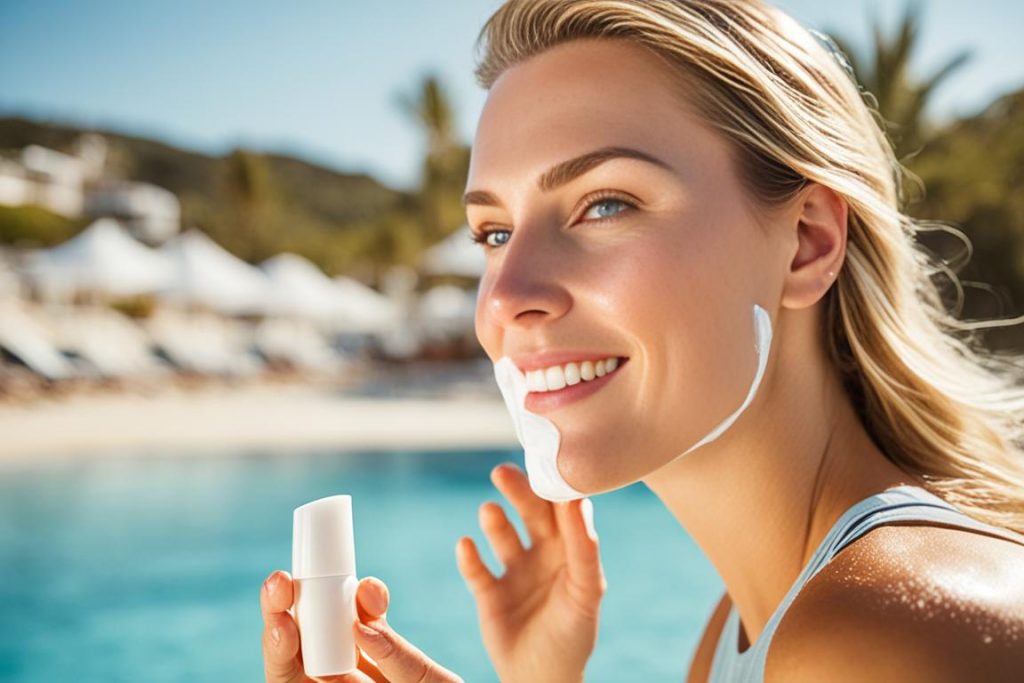
By consistently using sunscreen as part of your skincare routine, you can significantly reduce the risk of developing crepey skin and other signs of photo-damage, such as fine lines and wrinkles. Additionally, regular use of sunscreen can help prevent the worsening of existing crepey skin and support the skin’s natural repair process.
Remember, prevention is key when it comes to protecting your skin from sun exposure and the damaging effects of UV rays. Incorporating sunscreen with a high SPF into your daily routine is an integral part of maintaining healthy and youthful-looking skin.
In addition to sunscreen, it is essential to follow other sun protection measures, such as seeking shade, wearing protective clothing, and using sunglasses and wide-brimmed hats to shield your skin from direct sunlight.
So, don’t forget to prioritize sun protection in your skincare regimen to safeguard your skin from the harmful effects of sun exposure and maintain its youthful vitality.
Other Factors Contributing to Crepey Skin
Aging is a major factor in the development of crepey skin. As we age, the natural production of collagen and elastin decreases, leading to loss of skin elasticity and firmness. Gravity also plays a role, causing the skin to sag, particularly in areas like the décolleté and neck. Additionally, a decline in moisture due to aging can contribute to changes in skin texture. Genetics can also influence the susceptibility to crepey skin.
As our bodies age, the production of collagen and elastin naturally slows down. These proteins are responsible for maintaining the structure and elasticity of the skin. When collagen and elastin levels decrease, the skin becomes less firm and more prone to sagging and wrinkling. The effects of gravity exacerbate this issue, causing the skin to loosen and sag over time. This is particularly noticeable in areas where the skin is thinner, such as the décolleté and neck, where the effects of aging and gravity are most prominent.
In addition to the role of aging and gravity, moisture also plays a crucial role in the development of crepey skin. As we age, the skin tends to produce less natural moisture, leading to dryness and a loss of hydration. This can result in a rough and uneven texture, making the skin more susceptible to crepiness. Therefore, it is important to prioritize hydration and moisturization in your skincare routine to help combat this issue.
Furthermore, the genetics of an individual can influence their predisposition to developing crepey skin. Some individuals may be more genetically prone to experiencing the effects of aging on their skin, including the development of wrinkles, fine lines, and crepiness. While genetics cannot be changed, it is still possible to mitigate these factors through a consistent skincare routine and lifestyle choices that prioritize skin health.

Protecting Your Skin
To minimize the appearance of crepey skin and slow down the aging process, it is important to take proactive measures. Protecting your skin from the sun’s harmful UV rays is essential as sun exposure can accelerate the aging process and contribute to the development of crepey skin. You can do this by regularly applying broad-spectrum sunscreen with a high SPF, seeking shade during peak sun hours, and wearing protective clothing.
Additionally, adopting a comprehensive skincare routine that includes moisturizing products enriched with hydrating ingredients can help maintain the skin’s moisture balance and improve its texture. Look for products with ingredients such as hyaluronic acid, glycerin, and ceramides to replenish and lock in moisture.
While aging, gravity, moisture, and genetics all contribute to crepey skin, it is important to remember that there are effective treatments and preventative measures available. By understanding the factors that contribute to crepey skin and following a targeted skincare routine, you can maintain a healthier, more youthful complexion.
Advanced Treatments for Crepey Skin
In severe cases, more advanced treatments may be considered for crepey skin. These treatments offer effective solutions for reducing the appearance of wrinkles and improving skin texture. Let’s explore some of the advanced options available:
Injections with Fillers
One popular treatment for crepey skin involves injections with dermal fillers. Hyaluronic acid fillers are commonly used to restore volume and support the skin, resulting in a smoother appearance and reduced wrinkles.
Botox Injections
While Botox injections are not recommended for delicate areas like the décolleté, they can be beneficial for minimizing the muscle movements that contribute to crepey skin. Botox injections work by temporarily paralyzing specific muscles, thereby reducing the appearance of wrinkles.
Creams with Retinol and Peptides
For those seeking a less invasive option, creams containing ingredients like retinol and peptides can be effective in treating crepey skin. Retinol stimulates cell turnover and encourages collagen production, while peptides help enhance skin elasticity and reduce the depth of wrinkles.
Silicone Skin Pads
Another non-invasive treatment for crepey skin is the use of silicone skin pads. One popular option is SiO Beauty’s SkinPad. These pads are designed to be worn overnight and work by smoothing out wrinkles and improving skin texture. They provide an easy and convenient solution for individuals looking to enhance their skin’s appearance.
These advanced treatments offer targeted solutions for addressing crepey skin. Whether you opt for injections, creams, or silicone pads, it’s important to consult with a dermatologist to determine the most suitable option for your specific skin concerns.
| Treatment | Benefits |
|---|---|
| Injections with Fillers | Restores volume and support to the skin, reduces wrinkles |
| Botox Injections | Minimizes muscle movements that contribute to crepey skin |
| Creams with Retinol and Peptides | Stimulates collagen production, enhances elasticity, reduces wrinkles |
| Silicone Skin Pads | Non-invasive option to smooth out wrinkles and improve skin texture |
Conclusion
Treating and preventing crepey skin requires a comprehensive approach. Incorporating daily sun protection, using moisturizers with collagen-boosting ingredients, and considering advanced treatments can help rejuvenate your skin and minimize the appearance of crepey skin.
Consistency is key when it comes to your skin care routine. By diligently following a personalized regimen and consulting with a dermatologist to determine the most suitable treatments for your specific skin concerns, you can achieve smoother, firmer, and more youthful-looking skin.
Remember, skin rejuvenation takes time and effort, but the rewards are worth it. Take care of your skin today, and it will thank you tomorrow.


