Beauty
Understanding Crepey Skin – Causes & Care Tips

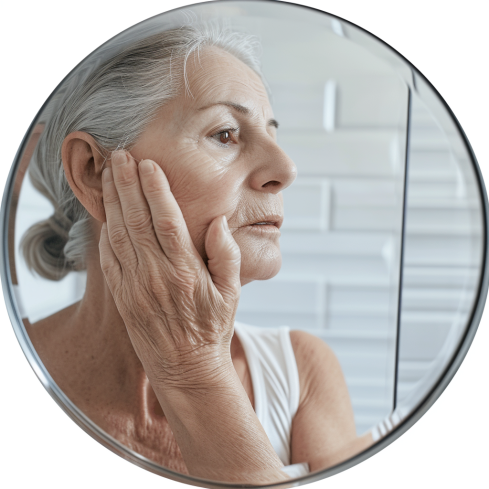
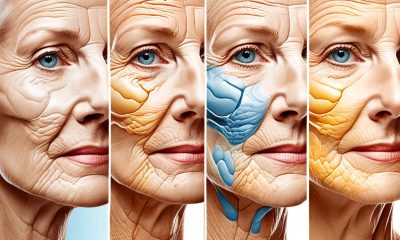
Crepey skin is a common concern that many individuals experience as they age. This condition is characterized by thin, wrinkled skin that resembles crepe paper. Understanding the causes and learning how to care for crepey skin can help improve its appearance and texture.
The primary factors that contribute to the development of crepey skin include aging, sun damage, a lack of moisture, weight fluctuation, and certain medications. As collagen and elastin fibers break down, the skin loses its elasticity and becomes wrinkled. Additionally, a lack of hydration and exposure to UV radiation can further accelerate this process.
To effectively address crepey skin, it is essential to incorporate preventive measures and proper skincare into your routine. Protecting your skin from the sun’s harmful UV rays by applying broad-spectrum sunscreen with SPF 30 or higher and seeking shade when necessary can help reduce sun damage.
Maintaining hydration is also crucial in managing crepey skin. Using moisturizers that contain ingredients like glycerin or hyaluronic acid can help improve skin’s moisture levels and support its elasticity.
In addition to these measures, incorporating topical retinoids into your skincare routine can enhance collagen production and improve the overall appearance of crepey skin. These products work by stimulating the skin’s renewal process, promoting cell turnover, and reducing the appearance of fine lines and wrinkles.
Making certain lifestyle changes can also contribute to preventing crepey skin. Avoiding excessive alcohol consumption and smoking, managing stress levels, and following a balanced diet rich in antioxidants can all support healthier skin.
Seeking advice from a dermatologist is recommended for those who have severe crepey skin or wish to explore advanced treatment options. With the right care and treatment, it is possible to improve the appearance and texture of crepey skin, allowing individuals to regain their confidence and enjoy healthier, more youthful-looking skin.
Causes of Crepey Skin
Crepey skin is a common skin condition characterized by thin, wrinkled skin that resembles crepe paper. Understanding the causes of crepey skin is essential for effective prevention and treatment. The primary factor contributing to crepey skin is sun damage, which results in the breakdown of elastin and collagen fibers in the skin. Over time, this loss of structural support leads to skin laxity and the formation of wrinkles.
In addition to sun damage, the natural aging process also plays a significant role in the development of crepey skin. As we age, the production of collagen and elastin decreases, leading to a loss of skin elasticity and firmness. This, combined with the effects of sun damage, accelerates the appearance of crepey skin.
There are several other factors that can contribute to the development of crepey skin:
- Lack of moisture: When the skin lacks proper hydration, it can become dry and prone to creping.
- Significant weight fluctuation: Rapid weight loss or gain can cause the skin to stretch and lose its elasticity.
- Alcohol consumption: Excessive alcohol consumption can dehydrate the skin and impair its ability to regenerate.
- Certain medications: Some medications, such as corticosteroids and retinoids, can contribute to the thinning of the skin.
- Smoking: Smoking damages collagen and elastin fibers, leading to premature aging and crepiness.
- Pollution: Environmental factors like pollution can contribute to oxidative stress, which accelerates skin aging.
- Stress: Chronic stress can impact skin health and contribute to the development of crepey skin.
To illustrate the primary causes of crepey skin, here is a table summarizing the key factors:
| Cause | Description |
|---|---|
| Sun Damage | Breaks down elastin and collagen fibers, leading to skin laxity and wrinkling. |
| Aging | Decreased production of collagen and elastin, resulting in loss of skin elasticity and firmness. |
| Lack of Moisture | Dry skin is more prone to creping. |
| Significant Weight Fluctuation | Rapid changes in weight can cause the skin to stretch and lose elasticity. |
| Alcohol Consumption | Excessive alcohol consumption can dehydrate the skin and impair regeneration. |
| Certain Medications | Some medications can lead to skin thinning. |
| Smoking | Damages collagen and elastin fibers, accelerating aging and crepiness. |
| Pollution | Environmental factors like pollution contribute to oxidative stress and skin aging. |
| Stress | Chronic stress can impact skin health and contribute to crepey skin. |
By understanding the causes of crepey skin, individuals can take proactive steps to prevent its development and minimize its appearance. In the next section, we will explore effective strategies for preventing crepey skin.
Prevention of Crepey Skin
To prevent crepey skin, taking proactive measures is essential. By following these simple steps, you can protect your skin and maintain its youthful appearance:
- Seek Shade: When outdoors, especially during peak sunlight hours, it’s important to seek shade to minimize sun exposure. Direct sunlight can accelerate aging and contribute to the development of crepey skin.
- Wear Sun-Protective Clothing: Shielding your skin from harmful UV rays is crucial. Opt for clothing with built-in sun protection, such as hats, long-sleeved shirts, and pants.
- Apply Broad-Spectrum Sunscreen: Use a broad-spectrum sunscreen with at least SPF 30 or higher on all exposed areas of the skin. Apply it generously and reapply every two hours or after swimming or sweating.
- Hydrate Your Skin: Keeping your skin well-hydrated is key in preventing crepey skin. Choose moisturizers that contain hydrating ingredients like glycerin or hyaluronic acid. Apply them daily to maintain your skin’s moisture barrier.
- Follow a Balanced Diet: Consuming a balanced diet rich in antioxidants, vitamins, and minerals can promote skin health and prevent premature aging. Incorporate fresh fruits, vegetables, lean proteins, and whole grains into your meals.
- Practice a Healthy Lifestyle: Reduce stress levels through activities like meditation, yoga, or leisurely walks. Stress can negatively impact the skin’s health and contribute to the formation of crepey skin.
Remember, prevention is always better than cure. By adopting a comprehensive approach that includes sun protection, hydration, a balanced diet, and stress management, you can effectively prevent crepey skin and maintain a youthful complexion.

Treatment Options for Crepey Skin
When it comes to treating crepey skin, there are several options available depending on the severity of the condition. From over-the-counter remedies to professional treatments, individuals have a range of choices to address their specific needs.
Over-the-Counter Products
For mild cases of crepey skin, over-the-counter products can provide effective relief. Some key ingredients to look for include:
- Retinol: Retinol creams and serums help to stimulate collagen production and improve skin elasticity.
- Alpha Hydroxy Acids (AHAs): AHAs like glycolic acid and lactic acid exfoliate the skin, promoting cell turnover and reducing the appearance of wrinkles.
- Peptides: Peptides can help firm and tighten the skin, improving its texture and reducing fine lines.
- Moisturizers with Ammonium Lactate: These moisturizers help to hydrate and soften the skin, improving its overall appearance.
Prescription Topical Creams
For more severe cases, dermatologists may recommend prescription topical creams to treat crepey skin. One commonly prescribed option is Tretinoin, a derivative of vitamin A that helps to boost collagen production and reduce the appearance of fine lines and wrinkles.
Professional Treatments
In addition to topical treatments, there are several professional procedures that can improve the appearance of crepey skin. These include:
- Fractional Laser Therapy: This treatment uses laser energy to stimulate collagen production and tighten the skin.
- Ultrasound: Ultrasound treatments can help lift and tighten the skin, improving its elasticity.
- Cryolipolysis: This non-invasive procedure freezes and destroys fat cells, tightening the skin in the process.
- Fillers: Dermal fillers can help plump up the skin and reduce the appearance of wrinkles.
For individuals who have lost a significant amount of weight and have excess crepey skin, plastic surgery may be considered as a last resort. Procedures such as a body lift or arm lift can remove excess skin and improve the overall appearance.
It is important to consult with a dermatologist or skincare professional to determine the best treatment options for your specific needs. They can assess the severity of your crepey skin and recommend the most suitable course of action.
Tailoring Skincare Routine as You Age
As people age, it is important to adapt their skincare routines to address the changing needs of their skin. This includes developing a targeted crepey skin care routine that focuses on hydration, nourishment, and collagen support. By incorporating the right products and ingredients into your daily regimen, you can effectively prevent and improve crepey skin while promoting overall skin health.
Gentle Cleansers and Hydrating Toners
Starting with a gentle cleanser is essential to avoid stripping the skin of its natural oils and causing further dryness. Look for hydrating cleansers rich in ingredients like hyaluronic acid, glycerin, or ceramides, as these help to retain moisture and plump the skin.
Recommended Products:
| Product | Description |
|---|---|
| Gentle Hydrating Cleanser | A mild cleanser that effectively removes impurities without compromising the skin’s moisture barrier. Ideal for all skin types, including sensitive skin. |
| Hydrating Toner | A refreshing toner infused with hydrating ingredients that balances the skin’s pH levels and prepares it for better absorption of serums and moisturizers. |
Retinol Creams and Emollients
To combat crepey skin, incorporating retinol creams into your skincare routine can make a significant difference. Retinol, a form of Vitamin A, stimulates collagen production, reduces fine lines, and improves skin texture. Additionally, using emollients that contain essential fatty acids helps to nourish and moisturize the skin, improving its elasticity and firmness.
Recommended Products:
| Product | Description |
|---|---|
| Retinol Cream | A powerful night cream formulated with retinol to stimulate cell turnover, reduce wrinkles, and improve skin tone and texture. |
| Deep Nourishing Emollient | An intensive moisturizer enriched with essential fatty acids that deeply nourishes and hydrates the skin, restoring its natural radiance and firmness. |
Hydroxy Acid Cleansers and Hyaluronic Acid
Hydroxy acids, such as glycolic acid or lactic acid, help to exfoliate the skin and promote cellular turnover. By removing dead skin cells, these cleansers reveal smoother and younger-looking skin. Hyaluronic acid, a powerful humectant, attracts and retains moisture, plumping the skin and reducing the appearance of wrinkles.
Recommended Products:
| Product | Description |
|---|---|
| Exfoliating Hydroxy Acid Cleanser | A daily cleanser infused with alpha hydroxy acids that gently exfoliates and renews the skin’s surface, promoting a more youthful complexion. |
| Hyaluronic Acid Serum | A lightweight serum packed with hyaluronic acid that deeply hydrates and replenishes the skin, improving its elasticity and smoothness. |
“By tailoring your skincare routine to address crepey skin, you can effectively prevent and improve its appearance. Incorporating gentle cleansers, hydrating toners, retinol creams, emollients, hydroxy acid cleansers, and hyaluronic acid can support skin elasticity, collagen production, and overall skin health.”
– Skincare Expert
Conclusion
Managing crepey skin is attainable through a combination of preventive measures, dedicated skincare routines, and the utilization of various treatment options. Taking steps to protect the skin from harmful sun damage, such as wearing sunscreen and seeking shade, is paramount in managing crepey skin. Additionally, ensuring proper hydration and incorporating topical retinoids into a skincare regimen can have a positive impact on the condition.
For individuals seeking personalized guidance, consulting with a dermatologist is recommended. These professionals can provide expert advice to determine the most suitable treatment options based on the severity of the crepey skin. Whether it be over-the-counter products, prescription creams, or cosmetic procedures, there are solutions available to address this common concern.
By implementing the appropriate care and seeking professional assistance, individuals can significantly improve the appearance and texture of crepey skin. Embracing these crepey skin solutions enables individuals to regain confidence and embrace healthier-looking skin.