
Travel
Exploring the Diving Camia II Wreck Site
Immerse in the aquatic allure of the Philippines at the diving Camia II wreck, a haven for scuba enthusiasts seeking a thrilling shipwreck adventure.


The Diving Camia II wreck is a treasure waiting to be discovered by adventurous scuba enthusiasts. Nestled beneath the crystal-clear turquoise waters of the Philippines, this sunken ship offers a thrilling underwater exploration experience like no other.
Imagine descending into the depths, surrounded by the remnants of a bygone era. As you explore the Camia II wreck, you’ll be transported back in time, witnessing the beauty and mystery that lies beneath the surface.
Discover the allure of Philippines diving spots as you embark on a journey to this captivating shipwreck site. Prepare to be awe-struck by the mesmerizing marine life, vibrant coral reefs, and the history that unfolds before your eyes.
Key Takeaways:
- Explore the Diving Camia II wreck site for an unforgettable underwater adventure.
- Discover the allure of Philippines diving spots with their crystal-clear waters and diverse marine life.
- Experience the thrill of shipwreck diving and immerse yourself in history.
- Capture the underwater beauty through photography with specific techniques and equipment.
- Embrace the natural wonders of Boracay beyond diving, including pristine beaches and vibrant nightlife.
The Allure of the Philippines Diving Spots
The Philippines is home to some of the most breathtaking diving spots in the world, making it a dream destination for scuba diving enthusiasts. With its crystal-clear turquoise waters and diverse marine life, the Philippines offers a multitude of opportunities for underwater exploration. Whether you’re a beginner or an experienced diver, the Philippines has something for everyone.
One of the best diving sites in the Philippines is the Camia II wreck. Located in the pristine waters, this shipwreck site provides an unforgettable adventure for divers. Exploring the Camia II wreck allows you to witness the beauty of nature reclaiming what was once man-made, as vibrant corals and marine life thrive amidst the wreckage.
Aside from the Camia II wreck, the Philippines boasts numerous other top-notch diving sites. From the world-renowned Tubbataha Reefs Natural Park to the stunning Apo Reef, there is no shortage of breathtaking underwater landscapes to discover. The country’s diverse underwater ecosystem is home to an array of colorful fish, majestic sea turtles, and even whale sharks.
For those seeking a unique diving experience, the Philippines offers a wealth of opportunities to explore underwater caves and tunnels. The country’s limestone formations create a labyrinth of submerged passageways, creating a fascinating playground for adventurous divers.
“Diving in the Philippines is like entering a whole new world beneath the surface. The vibrant colors, the diverse marine life, and the sense of tranquility are truly awe-inspiring.” – Experienced Diver
Whether you’re a seasoned diver or just starting your underwater journey, the Philippines has the perfect diving spot for you. Get ready to embark on an unforgettable adventure and discover the wonders that lie beneath the turquoise waters of the Philippines.
Top Diving Sites in the Philippines
| Diving Spot | Location | Highlights |
|---|---|---|
| Tubbataha Reefs Natural Park | Palawan | Coral gardens, sharks, sea turtles |
| Apo Reef | Mindoro | Large coral formations, marine biodiversity |
| Batangas | Calabarzon | Underwater caves, diverse marine life |
| Moalboal | Cebu | Sardine run, stunning wall dives |
| Cagayan de Oro | Misamis Oriental | Clear waters, world-class wreck diving |
The Thrill of Shipwreck Diving
Shipwreck diving is an extraordinary adventure that appeals to divers of all experience levels. It offers a unique blend of history, nature, and adrenaline, making it a favorite activity for those seeking an unforgettable underwater experience. The Camia II wreck provides an exceptional opportunity to dive into the captivating world of sunken vessels.
“Exploring underwater wrecks allows divers to witness the transformative power of nature firsthand. The shipwrecks become thriving underwater ecosystems, teeming with marine life that has made these sunken vessels their home.”
Diving into the depths of the Camia II wreck, divers will be immersed in a captivating journey through time. The rusted remnants of the vessel tell a story of its own, giving divers a unique glimpse into history. It’s a surreal experience to swim alongside the remnants of a once mighty ship and truly understand the magnitude of its demise.
However, shipwreck diving is not without its challenges. Navigating through the narrow passageways and exploring the intricate debris demands focus and skill. Divers must be prepared to overcome obstacles and adapt to the ever-changing underwater environment.
Still, the rewards of shipwreck diving are immeasurable. Encountering schools of colorful fish weaving in and out of the wreck, observing vibrant corals that have claimed the vessel as their home, and discovering hidden treasures that have been untouched for generations are just a few of the awe-inspiring moments awaiting divers.
Preparing for a Wreck Diving Experience
Before embarking on a shipwreck diving adventure, it is important to be properly equipped and trained. Ensure you have the appropriate certification and experience for wreck diving, as it requires specialized knowledge and skills.
Additionally, make sure you have the necessary diving gear, including a dive computer, compass, and underwater flashlight. These tools will aid in navigation and enhance your overall diving experience.
Lastly, remember the vital importance of safety during your wreck diving expedition. Always dive with a buddy, follow proper diving procedures, and maintain awareness of your surroundings.
| Benefits of Shipwreck Diving | Challenges of Shipwreck Diving |
|---|---|
|
|
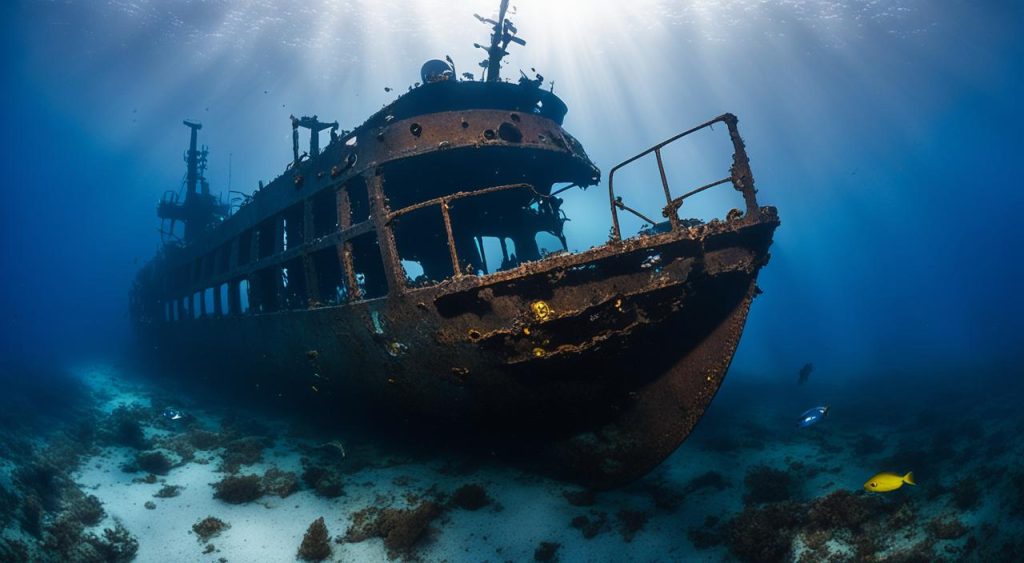
Embark on a shipwreck diving adventure and unlock the mysteries hidden beneath the surface. The Camia II wreck offers a glimpse into a fascinating underwater world, where history and nature intertwine to create an unforgettable experience. Prepare yourself for an exhilarating journey through time and immerse yourself in the thrill of shipwreck diving.
Capturing Underwater Beauty Through Photography
Underwater photography is an art form that allows divers to capture the mesmerizing beauty of the underwater world. When diving the Camia II wreck site in the Philippines, photographers have the opportunity to document the vibrant marine life and the haunting allure of shipwrecks in their images. To create stunning underwater photographs, mastering specific techniques and utilizing the right equipment is essential.
Mastering Lighting and Composition
One of the key challenges of underwater photography is dealing with the limitations of natural light. Water acts as a filter, absorbing and scattering sunlight, resulting in muted colors and reduced contrast. To overcome these challenges, underwater photographers must master the art of artificial lighting. Utilizing external strobes, video lights, or continuous lighting systems can help illuminate the subject and restore vibrant colors.
Composition plays a crucial role in creating captivating underwater photographs. Framing the subject, balancing negative space, and utilizing leading lines can enhance the visual impact of the image. The rule of thirds, a commonly used composition technique, can be applied to underwater photography as well. By placing the main subject off-center, photographers can create a more dynamic and visually appealing composition.
Choosing the Right Camera Setup
Underwater photography requires specialized camera equipment designed to withstand the underwater environment. The choice of camera and housing largely depends on the photographer’s skill level, budget, and desired image quality. Compact cameras with waterproof housings offer a compact and budget-friendly option for beginners, while professional DSLR or mirrorless camera setups provide greater creative control and image quality.
Investing in a quality underwater housing is crucial to protect the camera and maintain its functionality in the water. The housing should be rated for the depth the photographer intends to dive and should provide easy access to essential camera controls. Additionally, investing in quality lenses specifically designed for underwater photography can significantly improve the image sharpness and clarity.
Post-Processing Tips
Once the underwater photographs are captured, post-processing can further enhance their visual impact. Software programs like Adobe Lightroom and Photoshop offer powerful tools for adjusting exposure, contrast, and color balance. Removing backscatter, which refers to the unwanted particles in the water that appear as tiny dots or specks in the image, can be done using the clone or healing brush tool.
It is essential to maintain the integrity of the captured scene during post-processing. While minor adjustments are acceptable, excessive manipulation or adding elements that were not present in the original scene should be avoided to retain the authenticity of the photograph.
Underwater photography allows divers to share the breathtaking beauty of the underwater world with others. Through the mastery of specific techniques and the creative use of equipment, photographers can create images that inspire awe and appreciation for our vast oceans.
The Natural Wonders of Boracay
Boracay, the tropical paradise in the Philippines, offers more than just diving. The island is renowned for its pristine white sand beaches, clear turquoise waters, and vibrant nightlife. Visitors can also explore other natural wonders, including Puka Shell Beach, Diniwid Beach, and Bulabog Beach.
Beach Name and Description
- Puka Shell Beach: This secluded beach is named after the abundance of puka shells that line its shore. With its tranquil atmosphere and breathtaking views, Puka Shell Beach is a perfect spot for relaxation and tranquility.
- Diniwid Beach: Nestled between two rocky cliffs, Diniwid Beach offers a serene escape from the bustling crowds. Its crystal-clear waters and pristine sand make it an ideal location for swimming and sunbathing.
- Bulabog Beach: Known as the wind and kiteboarding capital of the island, Bulabog Beach attracts adventure seekers from around the world. Its strong winds and consistent waves make it a haven for water sports enthusiasts.
From island-hopping tours to interacting with the warm and welcoming locals, Boracay has something for everyone. Experience the natural beauty of this island paradise and create unforgettable memories.
| Natural Wonder | Description |
|---|---|
| Puka Shell Beach | A secluded beach with abundant puka shells and a tranquil atmosphere. |
| Diniwid Beach | A serene beach nestled between rocky cliffs, offering crystal-clear waters and pristine sand. |
| Bulabog Beach | A haven for water sports enthusiasts, known for its strong winds and consistent waves. |
A Brief History of Boracay
Before becoming a popular tourist destination, Boracay was home to the indigenous Ati people who lived a simple and sustainable way of life. The island, with its pristine white sand beaches and crystal-clear turquoise waters, remained a hidden gem until the 1970s. It was during this decade that adventurous backpackers started to discover the island’s natural beauty and tranquility.
The rise of Boracay as a tourist hotspot can be attributed to its idyllic beaches and the irresistible allure of its surroundings. Word spread quickly among travelers about the breathtaking views and the warm hospitality of the locals. As a result, the island began attracting visitors from around the world, marking the beginning of its transformation into a renowned tourist haven.
“Boracay offers an unparalleled tropical getaway experience. The powdery-white sand, clear waters, and vibrant marine life make it a paradise for beach lovers and water enthusiasts alike.”
– Traveler’s Magazine
Over the years, Boracay’s popularity skyrocketed, prompting the need for sustainable development and environmental preservation. It became essential to strike a balance between catering to tourists’ needs and ensuring the conservation of the island’s natural wonders. The responsibility for sustainable tourism fell on both the local government and the visitors themselves.
The Rise of Over-Tourism in Boracay
With the increasing influx of tourists, Boracay faced the harsh reality of over-tourism. The uncontrolled growth of resorts, restaurants, and other establishments put a strain on the island’s resources and ecosystem. Environmental issues such as pollution, coral damage, and overcrowding became more evident, threatening the very beauty that attracted visitors in the first place.
Recognizing the urgent need for action, the Philippine government took a bold step and initiated a massive rehabilitation effort in 2018. This led to the temporary closure of Boracay, allowing for the implementation of strict environmental regulations and the removal of illegal structures. The goal was to restore the island to its former glory while ensuring its long-term sustainability.
The Future of Boracay: A Model of Sustainable Tourism
Today, Boracay serves as a model for sustainable tourism in the Philippines and beyond. The rehabilitation efforts have resulted in a cleaner and more organized environment for both locals and tourists. Stricter policies and guidelines are now in place to protect the marine and coastal ecosystems, ensuring their preservation for future generations to enjoy.
Furthermore, the local community and businesses have rallied together to promote responsible tourism practices. Efforts are being made to reduce waste, conserve water, and support eco-friendly initiatives. Sustainable transportation options, such as electric tricycles, have been introduced to minimize pollution on the island.
Boracay’s journey towards sustainability serves as a valuable lesson for other tourist destinations facing similar challenges. By prioritizing the preservation of natural resources and promoting responsible tourism, Boracay continues to thrive as a tropical paradise that offers an unforgettable experience for every traveler.
Preserving the Paradise
In 2018, the Philippine government took a significant step towards ensuring the long-term sustainability of Boracay. Recognizing the importance of preserving its natural beauty and ecological balance, the island underwent a massive rehabilitation effort. The temporary closure of Boracay allowed authorities to implement stricter environmental regulations and address the issue of illegal structures that had encroached on its delicate ecosystem.
Today, Boracay stands as a testament to the commitment towards sustainable tourism. With its breathtaking beaches, crystal-clear waters, and vibrant marine life, the island continues to offer visitors an unforgettable experience while prioritizing the preservation of its natural resources. From the moment you step foot on its shores, you can witness the careful balance between tourism and environmental conservation.
The efforts to protect the marine and coastal ecosystems of Boracay are evident throughout the island. Strict waste management policies have been put in place, ensuring proper disposal and recycling practices. Responsible tourism practices, such as promoting reef-friendly sunscreen and limiting access to sensitive areas, are also actively encouraged. By working hand in hand with the local community and tourism stakeholders, Boracay strives to create a sustainable future for generations to come.
Preserving the paradise that is Boracay is a continuous endeavor. The lessons learned from its rehabilitation journey serve as a model for other destinations facing the challenges of maintaining ecological balance amidst growing tourism demands. With sustainable tourism practices at the forefront, Boracay remains a shining example of how breathtaking beauty and environmental stewardship can coexist harmoniously.