Crepey Skin & Anti-Aging
Understanding Crepe Skin: Causes and Solutions

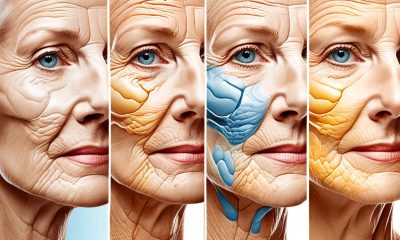
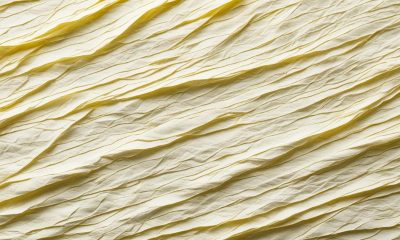
Crepey skin looks thin and wrinkled, just like crepe paper. It’s common as people get older. But, it can make them feel frustrated and shy. Knowing why it happens and what to do about it is key to making skin look better and feel healthier.
Many things can make your skin look crepey. One big reason is getting older. As you age, your skin makes less collagen and elastin. This makes your skin less firm and elastic. It also makes wrinkles and fine lines more likely to show up. Sunlight is another cause. The sun’s UV rays damage collagen and elastin. This makes your skin weaker and less able to recover its shape.
A few choices you make can affect your skin, too. Changes in hormones, not drinking enough water, losing weight, and feeling stressed can all make your skin look thin and wrinkly. Smoking, drinking alcohol, and eating poorly can speed up signs of aging. Even though you can’t change your genes or stop getting older, you can do things to protect and nourish your skin. This can lower the chances of getting crepey skin.
Quick actions like wearing sunscreen, staying in the shade, and covering up can stop crepey skin. Moisturizing your skin is also a must. Moisturizers with hyaluronic acid keep skin plump and soft. This makes it less likely to wrinkle.
Using products with retinol or peptides can also help. These can make your skin firmer and reduce wrinkles. If you’re not sure what to use, a dermatologist or a skincare expert can give you advice. They can recommend products or treatments that work best for you.
Understanding what causes crepey skin is the first step. Acting to take care of your skin is the next. A good skincare routine and the right products can make a big difference. They can help your skin look and feel better. Come back to find out more about crepey skin and how to keep it from happening to you.
Causes of Crepey Skin
Crepey skin happens when collagen and elastin break down. This makes skin less bouncy, with lines and wrinkles. These causes include:
- Natural Aging: Skin makes less collagen as we get older, affecting elasticity.
- Prolonged UV Radiation Exposure: The sun speeds up collagen and elastin loss, causing aging signs and crepey skin.
- Significant Weight Fluctuations: Quick changes in weight can stretch and shrink the skin, creating crepey areas.
- Alcohol Consumption: Too much alcohol dries out the skin, making it wrinkle easier.
- Lack of Skin Moisture: Without enough water, the skin dries up. This makes it more likely to become crepey.
- Certain Medications: Medicines like corticosteroids can make the skin thinner and more prone to crepey skin.
- Smoking: Smoking harms skin fibers, making the skin age faster and look crepey.
- Sleep Deprivation: Not enough sleep slows down repair, leading to dull skin and more wrinkles.
- Pollution: Air pollutants cause damage, which can lead to crepey skin.
- Imbalanced Diet: A bad diet does not give the skin what it needs to stay healthy and produce collagen.
- Increased Cortisol Levels from Stress: Stress can increase cortisol, breaking down collagen and leading to wrinkles.
- Genetic Conditions: Some genetic conditions can cause collagen and elastin to weaken early, causing crepey skin.
To reduce crepey skin, work on these causes. Use good skincare and change your life habits. This can help make your skin younger and healthier.
Impact of Collagen Production and Skin Elasticity
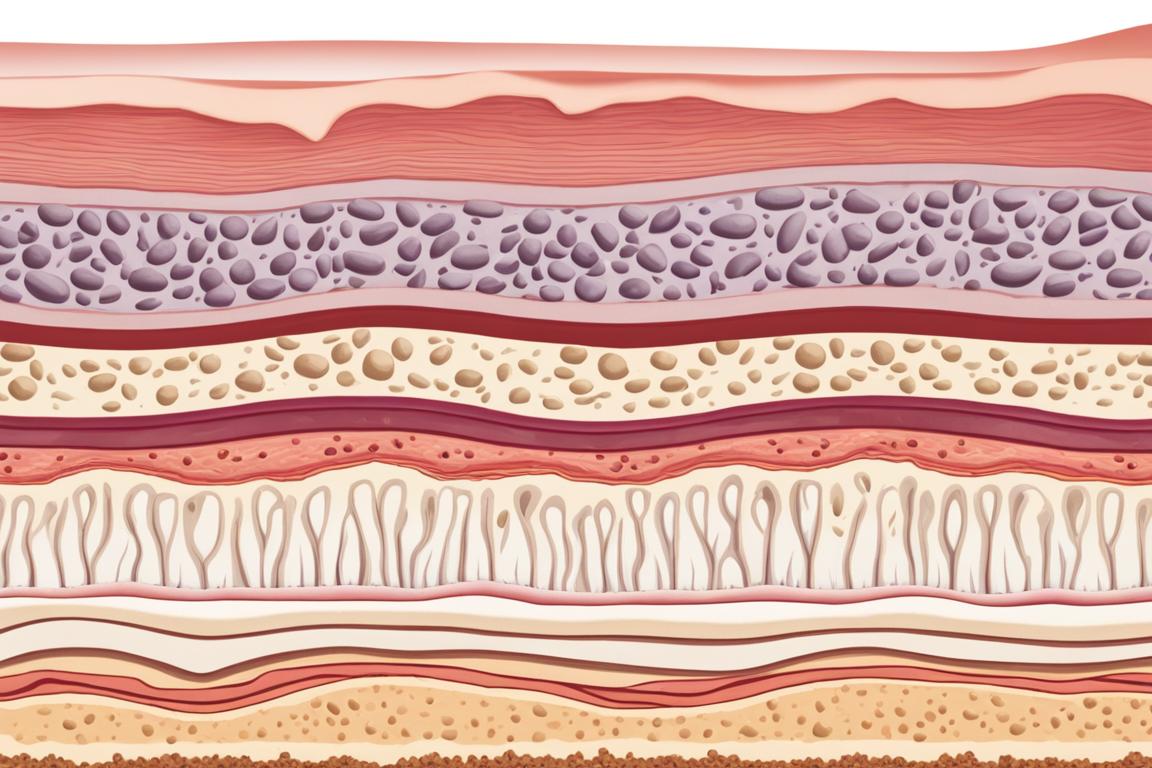
Collagen helps skin keep its shape and firmness. But as we get older or do bad things like not taking care of our skin, collagen goes down. This makes the skin less elastic and more likely to have wrinkles and crepey spots. When skin is elastic, it can easily go back to its shape after stretching or squishing.
So, it’s important to keep collagen coming and make the skin elastic. Putting effort into good skincare and a healthy lifestyle helps with this. It gives you a better chance at having skin that looks fresh and young.
Prevention of Crepey Skin
Prevention matters a lot with crepey skin. Taking action early can truly help your skin look its best. There are easy ways to keep your skin from becoming crepey.
Sun Protection
It’s essential to protect your skin from the sun. Too much sun can lead to crepey skin. Here’s how to guard your skin:
- Seek shade when the sun is strongest, typically between 10 a.m. and 4 p.m.
- Wear sun-protective clothing, such as wide-brimmed hats and long-sleeved shirts.
- Apply a broad-spectrum sunscreen with SPF 30 or higher to all exposed skin areas.
- Reapply sunscreen every two hours or after swimming or sweating heavily.
Hydration
Keeping your skin hydrated is key. Here are some simple steps to do that:
- Use a good moisturizer to lock in water and prevent dry skin.
- Choose moisturizers with hyaluronic acid to keep moisture in the skin.
- Drink enough water each day to help your skin stay healthy.

Topical Retinoids
Topical retinoids are made from vitamin A, like retinol. They can improve your skin’s flexibility and boost collagen. Make them a part of your skincare routine to avoid crepey skin.
Balanced Diet
Eating right is crucial for healthy skin. Antioxidants and nutrients protect your skin. Try to eat these foods for skin health:
- Fruits and vegetables rich in antioxidants, like berries and tomatoes.
- Fatty fish, such as salmon, is great for your skin.
- Lean proteins from things like poultry or beans.
- Whole grains include rice, quinoa, and oats.
- Avoid processed foods and limit sugar and unhealthy fats.
By following these tips and making them part of your daily routine, you can keep your skin from becoming crepey. This way, you can make sure your skin stays healthy and looking young.
Treatment for Crepey Skin
There are many ways to treat crepey skin. The best choice depends on how bad it is and what you need. Here are some top treatments:
Over-the-Counter (OTC) Products
Start with OTC products to help your skin bounce back and look less wrinkled. Choose items with retinol or alpha hydroxy acids. These boost collagen and improve your skin’s feel.
Prescription-Strength Retinoids
If your crepey skin is serious, you might need prescription retinoids. These can really up your collagen and make your skin stretchy again. Talk to a dermatologist to see what’s right for you.
Laser Treatment
Lasers, like fractional and radiofrequency, can make your skin look better. These treatments are easy on you and make your skin tighten. Your face will be smoother and firmer.
Fillers
Filers are great when you lose volume and get fine lines. Doctors use hyaluronic acid or calcium hydroxylapatite to pump up your face. It makes you look younger and more alive.
Surgery
If you’ve lost a lot of weight, maybe you need surgery. This can get rid of extra, loose skin and make you look tighter. Make sure to talk about the surgery’s risks and rewards with a plastic surgeon.
Though everyone’s skin is different, a doctor can help find what’s best for you. They will look at your skin’s condition and your goals to pick the perfect treatment. This way, your skin can feel smoother, look plumper, and remain youthful.
| Treatment Option | Description |
|---|---|
| OTC Products | Non-prescription creams or serums containing retinol or alpha hydroxy acids that improve skin elasticity and reduce wrinkles. |
| Prescription-Strength Retinoids | Stronger formulations of retinoids that require a prescription and are more suitable for advanced cases of crepey skin. |
| Laser Treatment | Non-invasive procedures that use laser technology to stimulate collagen production and tighten the skin. |
| Fillers | Injectable treatments, such as hyaluronic acid or calcium hydroxylapatite, to restore volume and smooth out fine lines. |
| Surgery | A surgical procedure to remove excess crepey skin, typically recommended for individuals with significant weight loss. |
Conclusion
Crepey skin looks thin and wrinkled like crepe paper. It happens as we age, from the sun, not drinking enough water, and how we live. The good news is there are many ways to treat it. These treatments help make the skin look and feel better by boosting collagen and skin renewal.
To stop crepey skin, it’s important to shield yourself from the sun and keep the skin moist. Using the right skin products also helps. If you want more advanced help, there are topicals, over-the-counter items, lasers, fillers, and surgeries.
Visiting a dermatologist for personal tips and treatment steps is a smart move. With the right care and following a skincare plan, you can lessen crepey skin. You can start more collagen and see your skin look smoother and healthier.