
Food
Benefits of Salmon Skin in Your Diet
Discover the health advantages of Salmon Skin, from boosting your diet with its nutritional power to tasty ways to prepare it for any meal.


Salmon skin is not only a delicious part of the fish but also offers numerous health benefits. Including salmon skin in your diet can provide you with a range of nutrients that contribute to overall well-being. It is an excellent source of protein, omega-3 fatty acids, vitamins B and D, and minerals like niacin and phosphorus.
One standout feature of salmon skin is its high concentration of omega-3 fatty acids, which are known for their heart-healthy properties. These fatty acids can help reduce triglyceride levels and lower the risk of heart disease. By cooking salmon with the skin on, you retain essential nutrients and oils that might otherwise be lost.
To reap the maximum benefits, it is recommended to include salmon in your diet two to three times per week. By doing so, you can support your overall health and well-being in a delicious and nutritious way.
Key Takeaways:
- Salmon skin is a safe and tasty addition to your diet, offering a range of health benefits.
- It is rich in protein, omega-3 fatty acids, vitamins B and D, and important minerals.
- The omega-3 fatty acids in salmon skin can lower the risk of heart disease
- Cooking salmon with the skin on helps retain essential nutrients and oils.
- Include salmon in your diet two to three times per week for optimal health benefits.
Safety and Considerations of Eating Salmon Skin
Salmon skin is generally safe to eat, but it is important to consider where the salmon comes from. Much of the world’s salmon supply has been contaminated by environmental pollution, including polychlorinated biphenyls (PCBs) and methylmercury. These toxins can be absorbed by salmon and pose health risks when consumed in large amounts. Wild-caught Pacific salmon is less contaminated than salmon from the Atlantic Ocean. Pregnant women and those who are particularly sensitive to contaminants may want to avoid eating salmon skin altogether.
Contaminants in Salmon Skin
The contamination of salmon skin can occur due to environmental pollution. Polychlorinated biphenyls (PCBs) and methylmercury are commonly found contaminants. These substances pose health risks when consumed in large amounts and can have adverse effects on the nervous system, brain development, and immune function.
Wild-Caught Salmon vs. Farmed Salmon
When it comes to the safety of salmon skin, choosing the right source is crucial. Wild-caught salmon is generally considered a safer option compared to farmed salmon. Wild-caught salmon typically comes from cleaner water sources, which reduces the risk of contamination with environmental pollutants. Conversely, farmed salmon can be more susceptible to contamination due to factors such as overcrowding and diet.
Considerations for Specific Groups
Pregnant women and individuals who are particularly sensitive to contaminants should exercise caution when consuming salmon skin. The potential health risks associated with the contaminants found in salmon skin may outweigh the benefits for these groups. It is advisable for pregnant women to consult with their healthcare professional before including salmon skin in their diet.
| Contaminant | Main Sources | Health Risks |
|---|---|---|
| Polychlorinated Biphenyls (PCBs) | Industrial processes, water pollution | Neurological effects, developmental issues, immune system disruption |
| Methylmercury | Coal-fired power plants, industrial pollution | Neurological damage, impaired cognitive function |
While salmon skin can offer various health benefits, it is essential to consider the potential contaminants present, especially for vulnerable groups. Making informed choices and opting for wild-caught salmon from clean water sources can help minimize the risks associated with consuming salmon skin.
Health Benefits of Salmon Skin
Salmon skin is not only delicious but also packed with essential nutrients that offer a multitude of health benefits. One of the standout components of salmon skin is its high levels of omega-3 fatty acids, which play a crucial role in maintaining overall well-being.
Omega-3 fatty acids are known for their positive impact on heart health. They help reduce the risk of heart disease by lowering triglyceride levels and decreasing inflammation in blood vessels. Incorporating omega-3-rich salmon skin into your diet can contribute to a healthier cardiovascular system.
The benefits of omega-3 fatty acids extend beyond heart health. These essential fats are vital for brain health and function, protecting against degenerative conditions like Alzheimer’s disease and dementia. By including salmon skin in your meals, you can provide your brain with the nourishment it needs to maintain cognitive abilities.
Furthermore, the omega-3 fatty acids in salmon skin promote skin health by improving hydration and reducing inflammation. They can help alleviate skin conditions such as eczema, psoriasis, and acne, resulting in a more vibrant and youthful appearance.
Salmon skin also plays a role in maintaining good eye health. The omega-3 fatty acids and antioxidants found in the skin can help prevent age-related macular degeneration and dry eyes. Including salmon skin in your regular diet can support healthy vision as you age.
The immune system benefits greatly from the omega-3 fatty acids and antioxidants present in salmon skin. These components help strengthen the immune response, protect against infections, and reduce inflammation throughout the body.
In addition to its wealth of omega-3 fatty acids, salmon skin contains antioxidants that combat free radicals, which can cause cellular damage and contribute to chronic diseases. By consuming salmon skin, you can help protect your cells from oxidative stress and potentially reduce the risk of conditions like type 2 diabetes.
| Nutrient | Amount per 100g |
|---|---|
| Omega-3 Fatty Acids | 2.5g |
| Protein | 20g |
| Vitamin D | 25% of the Daily Value |
| Vitamin B12 | 90% of the Daily Value |
| Selenium | 110% of the Daily Value |
With its exceptional nutritional profile, salmon skin is a powerhouse of health benefits. However, it is essential to consider the source of the salmon to ensure it is free from contaminants. Opting for wild-caught salmon from clean water areas is recommended to minimize the intake of toxins.
Incorporating salmon skin into your diet can be a delicious and nutritious choice. Whether enjoyed grilled, fried, or used in various recipes, this versatile ingredient can elevate your meals while providing significant health advantages.
Nutritional Value of Salmon Skin
Salmon skin is a treasure trove of essential nutrients that can contribute to a well-rounded diet. This often overlooked part of the fish is not only flavorful but also packed with beneficial components. Incorporating salmon skin into your meals can provide you with a significant boost of protein, vitamins B and D, minerals, antioxidants, and aid in vitamin D and calcium absorption.
Protein: Salmon skin contains a considerable amount of protein, which plays a crucial role in muscle development and repair. Including protein-rich foods like salmon skin in your diet can help maintain and build lean body mass.
Vitamins B and D: The skin of salmon is a natural source of vitamins B and D. Vitamins from the B complex help support energy metabolism, while vitamin D contributes to the absorption of calcium for strong bones and teeth.
Minerals: Salmon skin is rich in minerals such as selenium, which acts as a powerful antioxidant and supports immune function. These minerals also aid in various biological processes, ensuring optimal health and well-being.
Antioxidants: Salmon skin contains antioxidants that combat free radicals, which can damage cells and contribute to the aging process. By including salmon skin in your diet, you can benefit from these natural antioxidants that help protect your body from oxidative stress.
Vitamin D and Calcium Absorption: One of the notable benefits of salmon skin is its contribution to vitamin D and calcium absorption. Vitamin D plays a crucial role in the absorption and utilization of calcium, promoting bone health and reducing the risk of osteoporosis.
To better understand the nutritional value of salmon skin, here’s a breakdown:
| Nutrient | Amount per 100g |
|---|---|
| Protein | 18g |
| Vitamin B12 | 3.2μg |
| Vitamin D | 13.4 IU |
| Calcium | 13mg |
| Selenium | 46.1μg |
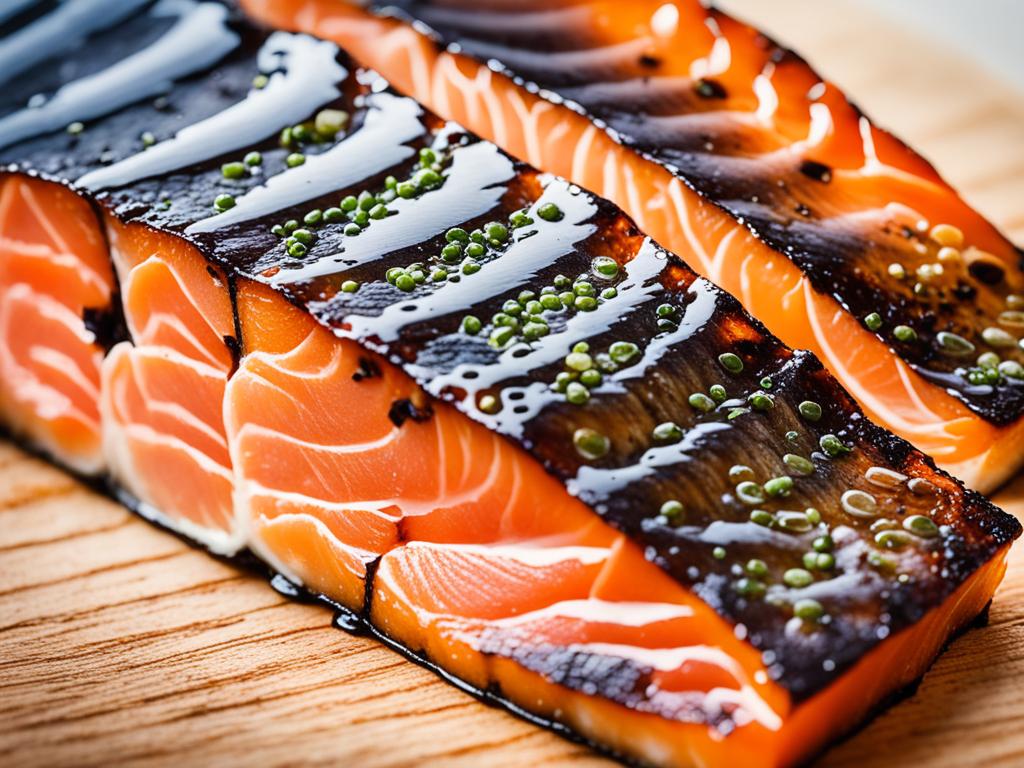
By including salmon skin in your meals, you can enjoy a flavorful addition to your diet while reaping the nutritional benefits it offers. However, it is important to consider the source and quality of the salmon to minimize the intake of potential contaminants. Choosing high-quality salmon from safe sources ensures that you experience the full benefits of this nutritious delicacy.
Cooking and Enjoying Salmon Skin
Salmon skin is not only nutritious but can also be transformed into a crispy and delightful culinary delight. Whether you prefer grilling or frying, there are various ways to prepare and enjoy the unique texture and flavor of salmon skin. Here’s how:
Grilling Salmon Skin
Grilling salmon skin is a popular method that results in a crispy and smoky treat. Start by preheating your grill to medium heat and lightly oiling the grates. Place the salmon fillet skin-side down on the grill and cook for about 4-5 minutes, or until the skin is crispy and slightly charred. Flip the salmon and cook for an additional 4-5 minutes, or until the fish is cooked through. The end result is a perfectly grilled salmon with a crispy skin that adds a delightful crunch to each bite.
Frying Salmon Skin
If you prefer an even crispier texture, frying salmon skin is the way to go. Cut the skin into thin strips and heat a pan over medium-high heat. Add a small amount of oil to the pan and carefully place the skin strips in a single layer. Fry for about 2-3 minutes on each side, or until the skin becomes crispy and golden brown. Remove from the pan and place on a paper towel to absorb any excess oil. The result is a delicious salmon bacon-like treat that can be enjoyed on its own or used in various recipes.
Salmon Skin Recipes
Salmon skin can be incorporated into a wide range of recipes, adding texture and flavor to your dishes. Here are a few ideas:
- Salmon Skin Salad: Slice the crispy salmon skin into thin strips and toss it with fresh greens, cherry tomatoes, cucumber, and a tangy vinaigrette.
- Salmon Skin Tacos: Fill soft tortillas with grilled salmon, avocado, cilantro, and a generous serving of crispy salmon skin for an exciting and unique twist on traditional tacos.
- Salmon Skin Sushi Roll: Roll sushi rice, avocado, cucumber, and crispy salmon skin in a sheet of nori for a crunchy and satisfying sushi experience.
These are just a few examples, but feel free to get creative and experiment with different recipes to find your favorite way to enjoy the goodness of crispy salmon skin.
Comparison of Cooking Methods
| Cooking Method | Texture | Flavor | Ease of Preparation |
|---|---|---|---|
| Grilling | Crispy and Smoky | Delicate and Savory | Requires a grill and some grilling skills |
| Frying | Extra Crispy and Golden Brown | Salty and Rich | Quick and Easy |
Risks and Considerations
Eating salmon skin can have potential risks and considerations that individuals should be aware of before including it in their diet.
Environmental Contamination
Salmon are exposed to environmental pollutants such as persistent organic pollutants (POPs), including polychlorinated biphenyls (PCBs) and methylmercury, which can accumulate in their skin. These contaminants can pose health risks when consumed in large amounts.
It is important to choose salmon from clean water sources to minimize exposure to these contaminants. Selecting high-quality salmon, particularly wild-caught salmon, from reputable suppliers can help reduce the risk of environmental contamination.
Medication Interactions
Consuming salmon skin may interact with certain medications. It is advisable for individuals taking medication to consult with a healthcare professional before including salmon skin in their diet. This is especially important if the medication has specific dietary restrictions or interactions.
Calorie Intake
Salmon skin contains additional calories compared to skinless salmon. While it is a source of healthy fats and nutrients, individuals watching their calorie intake or trying to manage their weight may need to take this into consideration. A balanced approach to calorie intake is vital, and moderation is key.
It is recommended that pregnant or nursing women, as well as individuals with specific dietary concerns, consult with a healthcare professional before including salmon skin in their diet.
Eating salmon skin has its benefits, but it is important to be aware of the potential risks and considerations. By making informed choices and consulting with healthcare professionals, individuals can enjoy the advantages of salmon skin while minimizing the potential drawbacks.
Making an Informed Choice
When it comes to enjoying the benefits of salmon skin, it is crucial to make an informed choice and prioritize the safety and quality of the fish. Opting for high-quality salmon from safe sources is key to ensuring a positive dining experience.
Wild-caught salmon is generally preferred over farmed salmon due to its natural habitat and diet. However, it is essential to go a step further and verify that the wild-caught salmon comes from clean water areas. By doing so, you can minimize potential risks associated with contaminants that may be present in polluted water.
By choosing high-quality, wild-caught salmon from clean water areas, you can enjoy the countless benefits of salmon skin without compromising your health. From the rich source of omega-3 fatty acids to the abundance of vitamins and minerals, clean and safely sourced salmon skin can be a valuable addition to your diet.