
Food
Safe Storage: How Long Raw Chicken Stays Fresh in Fridge
Discover the safe duration for storing raw chicken in your fridge and keep your poultry fresh with our expert storage guidelines.

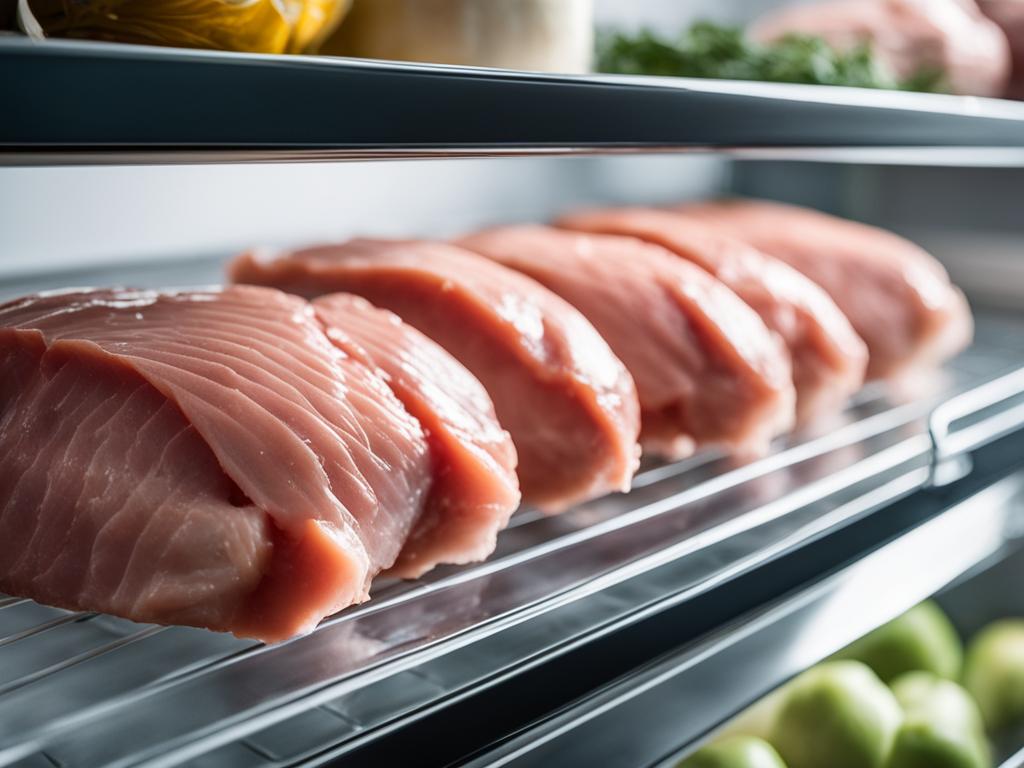
When it comes to storing raw chicken in the fridge, it’s important to understand the guidelines to ensure both food safety and freshness. Knowing how long raw chicken can stay in the fridge can help prevent food waste and reduce the risk of foodborne illnesses. In this article, we will explore the recommended storage duration for raw chicken, as well as provide valuable tips on choosing and storing chicken properly.
Key Takeaways:
- Raw chicken can be stored in the fridge for one to two days, according to FoodSafety.gov.
- Trust your senses and check for signs of spoilage before using raw chicken.
- Store raw chicken on the bottom shelf of the fridge to prevent cross-contamination.
- Freezing raw chicken can extend its shelf life up to nine months.
- Thaw frozen chicken in the fridge for safe thawing.
Tips for Choosing and Storing Raw Chicken
When it comes to choosing and storing raw chicken, it’s important to prioritize freshness and proper handling to ensure food safety. Follow these tips to select high-quality chicken and store it correctly:
- Look for fresh, high-quality chicken: When buying raw chicken, visually inspect the flesh. Choose chicken with light pink color, firm texture, and a slight give when pressed. The meat should be smooth, moist, and odor-free.
- Check the packaging: Examine the chicken’s packaging for any signs of bloating, leaks, or expiration date proximity. Avoid purchasing chicken with damaged or compromised packaging.
- Keep chicken in its original packaging: Until you’re ready to use it, it’s best to keep the chicken in its original packaging. This helps to maintain its freshness and prevents cross-contamination with other food items in the fridge.
- Store chicken on the bottom shelf: Place the chicken on the bottom shelf of the refrigerator. This prevents any potential drips or leaks from contaminating other foods.
- Maintain proper refrigeration temperature: Ensure that your fridge temperature is set below 40°F (4°C) to keep the chicken safe and slow down bacterial growth.
By following these tips for choosing and storing raw chicken, you can maintain its quality and minimize the risk of foodborne illnesses.
Extending Shelf Life with Freezing
If you want to extend the shelf life of raw chicken, consider freezing it. Freezing chicken is a convenient way to keep it fresh for longer periods, allowing you to stock up on sale items or prepare meals in advance. By following proper freezing techniques, you can preserve the quality and taste of the chicken until you are ready to use it.
Freezing Raw Chicken
Raw chicken can last in the freezer for up to nine months when stored properly. To ensure the chicken remains fresh and safe to consume, follow these steps:
- Wrap each individual piece of chicken tightly in freezer wrap or use freezer-safe bags to prevent freezer burn.
- Place the wrapped chicken in an airtight bag, squeezing out as much air as possible to minimize the risk of freezer burn.
- Label the bag with the current date to keep track of its freshness.
- Store the chicken in the coldest part of the freezer, maintaining a temperature below 0°F (-18°C) for optimal freezing.
Whole chickens can be frozen for up to a year, while individual pieces of raw chicken, such as breasts or thighs, can last up to nine months. By properly packaging and labeling the chicken, you can easily identify and use them as needed.
Freezing Cooked Chicken
Cooked chicken can also be frozen to extend its shelf life and save time in meal preparation. Follow these guidelines when freezing cooked chicken:
- Cool the cooked chicken completely before freezing to minimize moisture and prevent the growth of bacteria.
- Divide the cooked chicken into portion sizes that you are likely to use in a single meal.
- Place the cooked chicken in freezer-safe bags or airtight containers, removing as much air as possible.
- Label the containers with the date to keep track of the freezing time.
Frozen cooked chicken can generally last from 2-6 months in the freezer without significant loss of quality. However, it is recommended to consume it within the first month for the best taste and texture.
When you are ready to use the frozen chicken, thaw it safely in the refrigerator before cooking or reheating. Avoid thawing at room temperature to prevent the growth of bacteria.
With the proper freezing techniques, you can maximize the shelf life of raw and cooked chicken, ensuring that you always have a supply of fresh poultry on hand. Freezing chicken not only saves you time and money but also helps minimize food waste.
Thawing Chicken Safely
Thawing chicken correctly is essential to ensure food safety. By following the proper thawing practices, you can prevent bacterial growth and maintain the quality of the chicken. Here are some safe methods for thawing both raw and cooked chicken:
Thawing Raw Chicken
- Refrigerator Method: The best and safest method to thaw raw chicken is in the refrigerator. Place the frozen chicken package on a plate or in a shallow pan to catch any potential drips. Allow the chicken to thaw slowly in the refrigerator over time. This method ensures a gradual thawing process, reducing the risk of bacterial growth. Remember to keep raw chicken separate from other foods to prevent cross-contamination.
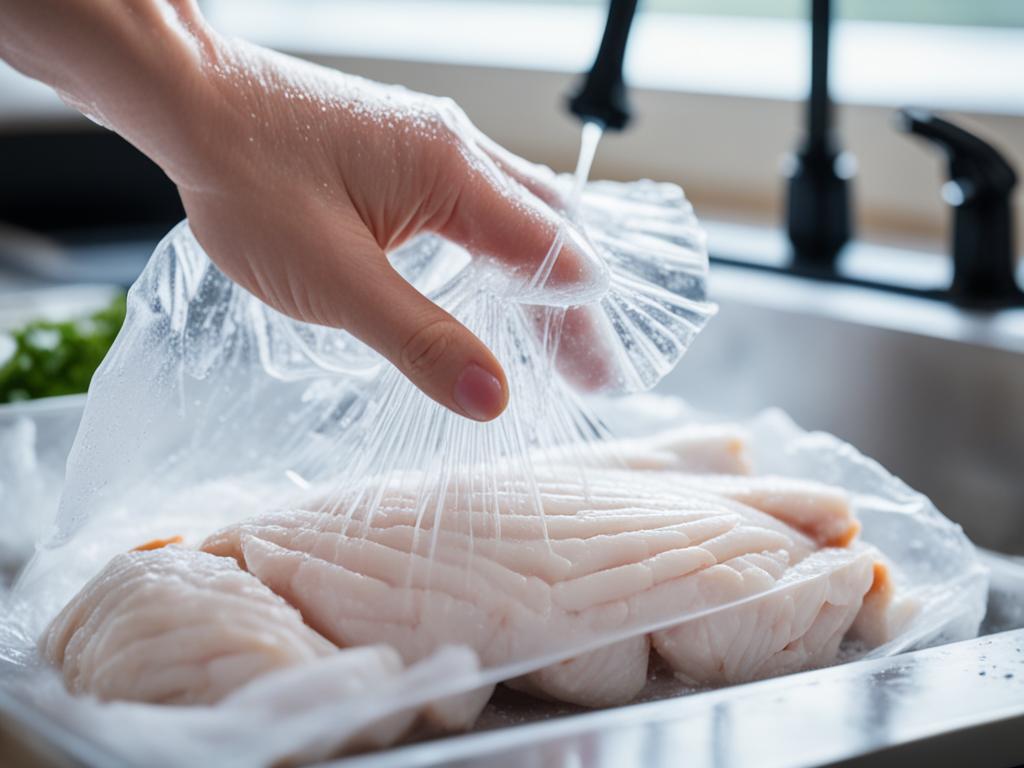
- Cold Water Method: If you need to thaw chicken more quickly, you can use the cold water method. Ensure that the chicken is in leak-proof packaging. Submerge the package in cold tap water, making sure that it is fully immersed. Change the water every 30 minutes to maintain cold temperature. Thawing time will vary depending on the size of the chicken. Avoid using warm or hot water to speed up thawing as it can encourage bacterial growth.
- Microwave Method: The microwave can also be used to thaw raw chicken, although it is important to cook it immediately after thawing to prevent bacterial growth. Follow the microwave manufacturer’s instructions for defrosting chicken. Ensure that the chicken is transferred to the oven or stove for thorough cooking as microwaves can create uneven temperature distribution, leaving some parts undercooked.
Thawing Cooked Chicken
If you have leftover cooked chicken that needs to be thawed, you can use similar methods as thawing raw chicken. However, it is important to note that previously cooked chicken should be reheated to a safe internal temperature of 165°F (74°C) to kill any potential harmful bacteria.
Safe Internal Cooking Temperatures for Chicken
| Poultry Type | Safe Internal Temperature |
|---|---|
| Whole chicken or turkey | 165°F (74°C) |
| Chicken or turkey breasts, roasts | 165°F (74°C) |
| Chicken or turkey thighs, legs, wings | 165°F (74°C) |
Remember to always use a food thermometer to check the internal temperature of cooked chicken, ensuring it reaches the recommended safe temperature.
Proper Storage of Cooked Chicken
Once cooked, chicken can be a convenient and versatile ingredient for various recipes. However, it is essential to store cooked chicken properly to maintain its freshness and prevent foodborne illness. Here are some guidelines for storing cooked chicken:
Refrigeration
According to the USDA, cooked chicken can be stored in the refrigerator for up to four days. It is important to transfer the chicken to an airtight container or seal it in airtight bags to prevent cross-contamination and maintain its quality. Remember to let the chicken cool down before storing it in the fridge. Additionally, ensure that the refrigerator is set at or below 40°F (4°C) to slow down the growth of bacteria.
Freezing
If you don’t plan on consuming the cooked chicken within four days, it is advisable to freeze it for longer storage. Freezing cooked chicken can help extend its shelf life indefinitely, although its taste and texture may deteriorate over time. When freezing cooked chicken, wrap it tightly in freezer wrap or place it in airtight freezer bags to minimize exposure to air and prevent freezer burn.
Remember to label the containers or bags with the date of freezing to keep track of its freshness. Properly stored, cooked chicken can last in the freezer for 2-6 months. However, for the best quality, it is recommended to use it within two months.
Thawing
When you’re ready to use frozen cooked chicken, it’s important to thaw it safely to prevent the growth of harmful bacteria. The safest method is to thaw the chicken in the refrigerator, allowing for gradual and even thawing. Simply transfer the frozen chicken from the freezer to the fridge and leave it overnight. Thawed cooked chicken can be stored in the refrigerator for an additional one to two days before consuming.
Note: Avoid thawing cooked chicken at room temperature, as it increases the risk of bacterial growth.
If you need to thaw cooked chicken quickly, you can use the defrost function on your microwave. However, make sure to cook the chicken immediately after thawing to minimize the risk of bacterial contamination.
Summary
To summarize, cooked chicken can be stored in the refrigerator for up to four days and in the freezer for 2-6 months. Proper storage in airtight containers or freezer bags is crucial to maintain its quality and prevent foodborne illness. Follow safe thawing practices, either in the refrigerator or using a microwave, before consuming previously frozen cooked chicken.
By following these storage guidelines, you can make the most of your cooked chicken while ensuring food safety and minimizing food waste.
Preventing Food Waste and Foodborne Illness
When it comes to poultry, it is crucial to prevent both food waste and foodborne illness. By understanding how to choose fresh chicken and being aware of signs of spoiled chicken, you can maintain your health and reduce food waste.
Choosing Fresh Chicken
When buying raw chicken, follow these guidelines to ensure freshness:
- Look for fresh chicken with pink flesh and white or yellow fat.
- Avoid chicken with a pale or gray appearance.
- Check the packaging for signs of bloating or proximity to the expiration date.
Choosing fresh chicken is an important step in preventing foodborne illness and enjoying high-quality poultry.
Signs of Spoiled Chicken
It’s essential to know the signs of spoiled chicken to avoid consuming unsafe food:
Spoiled chicken will have a noticeable smell, slimy texture, and color changes. If you notice any of these signs, it’s best to discard the chicken to prevent foodborne illness.
Choosing Fresh Chicken vs. Signs of Spoiled Chicken
| Choosing Fresh Chicken | Signs of Spoiled Chicken |
|---|---|
| Pink flesh | Noticeable smell |
| White or yellow fat | Slimy texture |
| Absence of pale or gray appearance | Color changes |
| No signs of bloating | N/A |
Table: Choosing fresh chicken and signs of spoiled chicken.
By being knowledgeable about choosing fresh chicken and recognizing signs of spoiled chicken, you can safeguard your health and make informed decisions, helping to prevent both food waste and the risk of foodborne illness.
Cooking Ideas for Leftover Chicken
Leftover cooked chicken is a versatile ingredient that can be used in a variety of delicious recipes. Instead of letting it go to waste, you can transform your cooked chicken into mouthwatering dishes that will satisfy your taste buds. Here are a few ideas to inspire your culinary creativity:
1. Chicken-Pesto Flatbread Sandwiches: Spread a layer of flavorful pesto sauce on a piece of flatbread and top it with sliced leftover chicken, fresh tomatoes, and mozzarella cheese. Grill or bake it until the cheese melts and the flatbread is crispy. This quick and easy sandwich is perfect for a light lunch or a tasty snack.
2. Baby Kale and Chicken Caesar Salad: Combine leftover cooked chicken with fresh baby kale, crunchy croutons, and tangy Caesar dressing. Toss everything together for a refreshing and satisfying salad. You can also add shaved Parmesan cheese or cherry tomatoes for extra flavor and color.
3. Southwestern Chicken Soup: Create a comforting and flavorful soup by simmering leftover chicken with diced tomatoes, black beans, corn, and spices like cumin and chili powder. Garnish the soup with cilantro, sour cream, and tortilla strips for a Mexican-inspired twist.
Cooked chicken is not only a convenient ingredient but also a great source of protein. By using your leftover cooked chicken in different dishes, you can reduce food waste and add delicious flavor to your meals. Get creative in the kitchen and enjoy the versatility of leftover chicken!