
Crepey Skin & Anti-Aging
Effective Crepey Skin Treatment at Home Tips

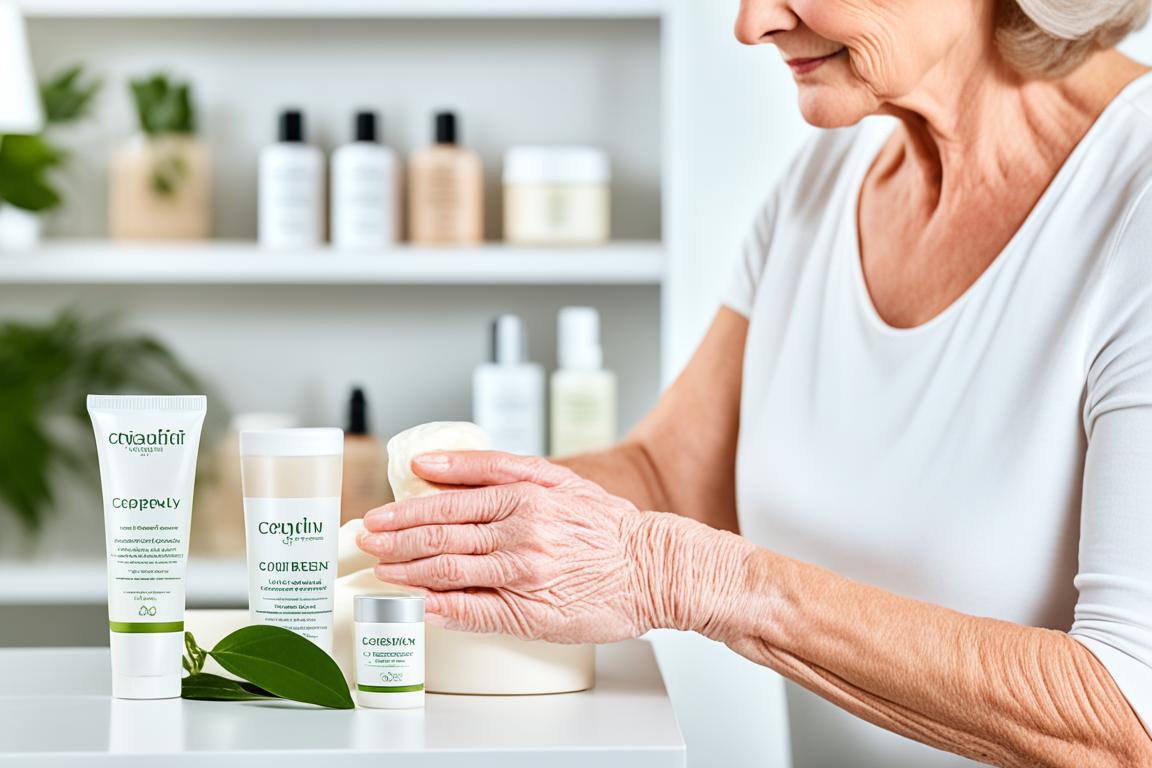
Crepey skin looks thin and wrinkled, like crepe paper. It comes with age, from the sun, and other reasons. To handle it at home, start by protecting your skin from the sun. Moisturize, use retinoids, and keep healthy habits. These include eating well and not smoking or drinking too much. These steps can make your skin look better and more elastic again.
Looking after your skin before it gets crepey is the best idea. This way, you won’t have to worry about your skin looking old too soon. In the next part, we’ll talk about how crepey skin happens. Then, we’ll go over ways to stop it and treat it at home.
Causes of Crepey Skin
Crepey skin looks thin and wrinkled. It’s due to things that make your skin lose shape and strength. Knowing what causes this can help you prevent it and pick the right treatments.
Natural Aging
As we get older, our skin makes less collagen and elastin. These are what keep our skin firm and flexible. Less of them means our skin gets thinner and wrinkles, leading to crepey skin.
UV Radiation Exposure
Too much sun or tanning beds can speed up skin aging. This damages the fibers that keep skin strong, causing crepey skin over time.
Significant Weight Fluctuation
Losing or gaining lots of weight can stress your skin. The skin may not bounce back like it should, leading to crepey skin. This often happens after fast weight changes.
Alcohol Consumption
Drinking a lot can dry out your skin. It makes your skin lose its moisture, leading to crepey skin. Alcohol also harms collagen and weakens the skin.
Lack of Skin Moisture
Dry skin can’t stay elastic without enough moisture. It’s easier for it to wrinkle and crepe. Not drinking enough water, low humidity, and some lifestyle habits can all cause dry skin.
Certain Medications
Medicines like corticosteroids can make skin thin and weak. They can mess with collagen and how your skin heals, leading to crepey skin.
Smoking
Smoking hurts the skin’s fibers, making them weaker. This makes your skin lose its firmness, causing crepey skin. Cigarettes also speed up skin aging.
Sleep Deprivation
Not sleeping enough can slow down skin repair and collagen production. This can make your skin weaker and more likely to crepe.
Pollution
Bad air and cigarette smoke can create free radicals in your skin. These cause damage, reduce collagen, and lead to crepey skin.
Nutritional Deficiencies
Not eating a balanced diet can make your skin’s structure weak. This means it can’t stay smooth and firm as well, leading to crepey skin.
Increased Cortisol Levels from Stress
Long-term stress can mess with collagen making. This makes your skin weaker, ages faster, and may become crepey.
Genetic Conditions
Some people might inherit conditions that make their skin crepey. These conditions change how the skin makes and keeps collagen and elastin.
Age and Skin Type
Getting older means your skin gets thinner and less elastic. Dry or sensitive skin types may crepe more easily because of their skin’s nature.
Protecting your skin from the sun and keeping it moisturized can help prevent crepey skin. Living healthy and treating your skin right is key. Knowing why crepey skin happens helps us make good choices for our skin care. This keeps our skin looking and feeling its best.
Prevention of Crepey Skin
To stop crepey skin, use simple daily tips. Keep your skin young and soft by doing a few things.
Sun Protection for Crepey Skin
The sun is a big cause of crepey skin. UV rays from the sun make skin age faster. They also break down collagen and elastin, causing crepey skin to form.
To avoid the sun’s harm, stay in the shade from 10 am to 4 pm. Wear protective clothing like hats and long-sleeved shirts. Use sunscreen with SPF 30 or higher on your skin too.
Moisturizers for Crepey Skin
Keeping your skin hydrated is key to fighting crepey skin. Use moisturizers that help with this.
Find moisturizers with coconut oil, shea butter, and more. These keep moisture in, making your skin look and feel better.
Improving Skin Elasticity
As we get older, our skin loses its bounce. This makes it easier for crepey skin to show. Retinol creams can help by boosting collagen and new cell growth. They make the skin firmer and less likely to wrinkle.
Use retinol creams a few times each week at first. Then, increase how often you use them. This helps your skin get used to it.
Skincare Routines and Balanced Diet
It’s important to change your skincare as you age. Watch how your skin looks and feels. Tailor your routine to fit exactly what your skin needs.
Eating well is also crucial for great skin. Fresh fruits, veggies, and good fats are a must. They keep your skin strong, keeping crepey skin away.
| Preventive Measures for Crepey Skin | Benefits |
|---|---|
| Seek shade and wear sun-protective clothing | Protects the skin from harmful UV radiation |
| Apply broad-spectrum sunscreen with SPF 30 or higher | Reduces the risk of sun damage and premature aging |
| Use moisturizers with hydrating ingredients | Maintains skin hydration and improves elasticity |
| Incorporate retinol creams into your skincare routine | Stimulates collagen production and enhances skin elasticity |
| Adjust skincare routines to address specific skin needs | Ensures optimal care for your skin as it changes over time |
| Maintain a balanced diet rich in vitamins and antioxidants | Promotes overall skin health and reduces the risk of crepey skin |
Stick with these tips every day to avoid crepey skin. Talk to a doctor if you’re worried about your skin.
Effective At-Home Treatments for Crepey Skin
Looking to improve crepey skin at home? There are many treatments you can easily try. This includes adding products to your skincare routine that help boost skin’s fullness, increase collagen, and lessen the fine lines caused by crepiness.
Hydrating and Moisturizing
Starting with keeping the skin moist is vital. Search for products with natural items like coconut oil, shea butter, and petroleum jelly. These can soak into the skin, keeping it dewy and looking smooth after washing.
Treating the Skin at Night
Nighttime is perfect for skin care. When we sleep, our skin can absorb nutrients better. Try products with peptides, vitamin C, and retinol before bed. They aid in renewal and making the skin more elastic and toned.
Washing Twice a Day and Using Targeted Products
Keeping the skin clean is also key. Cleanse gently twice daily to prep it for the nutrients in products. Using formulas with peptides, vitamin C, and retinol is great. They encourage collagen, renew cells, and help smooth out fine lines.
Makeup Techniques and Diet
Makeup can cover up crepey skin well. Use foundations and powders that reflect light. They make the skin look soft and even. Eating foods high in antioxidants, vitamins, and minerals can also help your skin look better.
Skin Exfoliation
Gentle exfoliation can make a big difference. It clears away dead cells and makes the skin look refreshed. Choose exfoliants that aren’t too harsh, like scrubs with AHAs or BHAs. Always be aware of your skin’s needs and talk to a doctor if you’re not sure.
Sticking to these remedies can make crepey skin look better. Be patient, though. Results take time. If you’re worried or have a special skin issue, get advice from a doctor. They can help you find the best way to care for your skin.
Dermatological Treatments for Crepey Skin
If you’ve tried treatments at home for crepey skin and they didn’t work well, don’t worry. Dermatologists have many professional treatments for this issue. These treatments are designed to help with the problems of crepey skin. They use special technologies and methods. These aim to fix the root causes, making your skin look and feel better.
Topical Retinoids
Dermatologists often recommend using topical retinoids for crepey skin. These are made from vitamin A and help your skin renew cells. They also boost collagen, which makes your skin smoother and firmer. Using these regularly can make crepey skin and fine lines look much better.
Fractional Laser Treatments
Fractional laser treatments can greatly help with crepey skin. It’s a safe treatment that uses lasers to make tiny injuries in the skin. This process encourages collagen growth. The result is tighter, less crepey skin, with better color and texture.
Ultrasound Treatments
Ultrasound treatments like Ultherapy target the skin’s deep layers with focused energy. They increase collagen and elastin, making the skin tighter. These treatments make crepey and saggy skin look younger.
Cryolipolysis
Cryolipolysis, or CoolSculpting, is non-surgical and targets fat beneath the skin. It’s good for crepey skin caused by excess fat. By removing fat cells, your skin may look less crepey in the treated area.
Fillers
Injectable fillers can improve the look of crepey skin. They include substances like hyaluronic acid. Injected under the skin, they restore volume, lessen wrinkles, and make your skin look more youthful. This improves the skin’s texture and firmness.
Surgical Procedures
In severe cases of crepey skin, surgery could be an option. Procedures can include lifting surgeries to remove skin and tighten tissues. This makes the skin smoother and more toned. Surgery can offer lasting results for crepey skin.
When you look into treatments for crepey skin, it’s important to see a board-certified dermatologist. They will make a plan that’s right for you. They’ll consider your skin’s condition, your health history, and what you want your skin to look like. This personalized plan will help you get the best results.

Over-the-Counter and At-Home Treatments for Crepey Skin
There are many ways to help crepey skin at home. You can use over-the-counter items or items found in your house. These options are cheaper than going to a doctor and can make a big difference in how your skin looks if you use them regularly.
Look for products with retinol, alpha hydroxy acids, and peptides. These ingredients can do a lot for your skin. For example, retinol helps your skin make more collagen. This makes your skin more elastic and less crepey. AHAs get rid of old skin cells on the surface. This makes your skin look smoother and brighter. Peptides tell your skin to make more collagen. This makes it tighter and softer.
Using moisturizers can also help a lot. Find ones that have glycerin or hyaluronic acid. These ingredients make your skin hold onto more water. Your skin will look and feel better, and fine lines will be less noticeable. Using these regularly can change how your skin feels and looks.
Don’t forget about scrubbing your skin. You can make a sugar scrub at home. This takes away dead cells, making your skin look fresh. Cleansing and moisturizing every day is also key. These simple steps keep your skin healthy and hydrated. They make a big difference in the long run.
But, these treatments might not work for everyone the same way. Results depend on your skin type and how often you use the products. Pick the right products for you, and make sure to use them as directed.
Skincare is about patience. By using these at-home options regularly, you can bring back a more youthful look to your skin.
“Consistently using OTC products and following a dedicated skincare routine can significantly improve the appearance of crepey skin.” – [Your Name]
| Treatment | Benefits |
|---|---|
| Retinol creams | Promotes cell turnover and collagen production |
| Alpha hydroxy acids (AHAs) | Exfoliates the skin, improving texture and radiance |
| Peptide-infused products | Stimulates collagen synthesis for firmer, smoother skin |
| Hydrating moisturizers | Increases skin hydration and plumps up the skin |
| Sugar scrubs | Exfoliates and promotes a smoother skin surface |
Conclusion
After looking at different ways to fix crepey skin, we see that home therapies really work. By caring for your skin from the sun, keeping it moist, and using special creams, your skin can get back its stretchiness. But remember, sometimes you need a pro’s help, too. Seeing a skin doctor can point you in the best direction.
Stick with your skincare plan every day. Results can differ from person to person and it might take time to see a change. Just know, you are in charge and you can feel good about your skin again.
To sum up, you can make your crepey skin better at home by doing the right things. Put effort and a full plan into taking care of your skin, and you can fight back against crepey skin. You’ll look and feel more lively, all naturally.