
Beauty
Fungal Acne Treatment at Home: Safe & Effective
Discover safe and effective fungal acne treatment at home with natural remedies and tips for clear, healthy skin. Learn to combat fungal breakouts now.

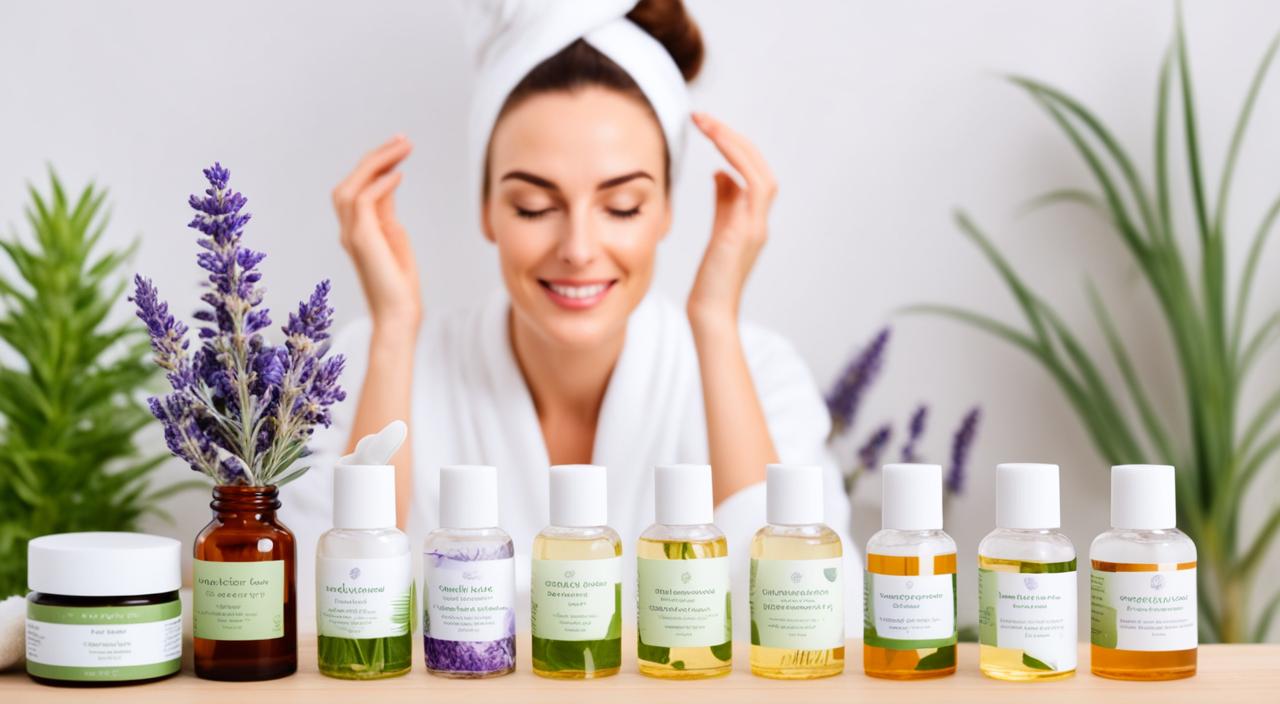
Fungal acne, also known as Malassezia folliculitis, is a common skin condition caused by an overgrowth of yeast on the skin. It presents as red bumps that often itch and can be easily diagnosed through a swab or skin scraping. While fungal acne can be mistaken for regular acne, it requires a different treatment approach. It does not respond to normal acne treatments such as washes, lotions, or antibiotics. Instead, it can be effectively treated at home using natural remedies and DIY solutions.
When it comes to treating fungal acne at home, there are plenty of safe and effective natural remedies that can help. From tea tree oil to apple cider vinegar, these DIY treatments can combat the overgrowth of yeast, reduce inflammation, and promote healing. In addition, implementing a proper skincare routine and incorporating ingredients like azelaic acid and salicylic acid can further aid in managing fungal acne.
Key Takeaways:
- Fungal acne is a common skin condition caused by an overgrowth of yeast on the skin.
- It requires a different treatment approach than regular acne and does not respond to typical acne treatments.
- Natural remedies such as tea tree oil and apple cider vinegar can be effective in treating fungal acne at home.
- Implementing a proper skincare routine and incorporating certain ingredients can help manage fungal acne.
- If fungal acne persists or worsens, it is advisable to seek professional help from a dermatologist.
Understanding Fungal Acne: Symptoms and Diagnosis
Fungal acne, also known as Malassezia folliculitis, presents as small, itchy, pus-filled bumps that primarily appear on the chest, back, and shoulders. Unlike regular acne, fungal acne usually does not have blackheads and is often accompanied by itchiness. To accurately diagnose fungal acne, it is important to observe its resistance to typical acne treatments and its distinct symptoms.
If you suspect you may have fungal acne, it is crucial to understand the symptoms and seek proper diagnosis. While fungal acne can be mistaken for regular acne, it requires a different treatment approach.
Common Symptoms of Fungal Acne:
- Small, itchy, pus-filled bumps on the skin
- Primarily appearing on the chest, back, and shoulders
- Lack of blackheads
- Accompanied by itchiness
“Fungal acne manifests as small, itchy, pus-filled bumps that primarily appear on the chest, back, and shoulders.”
Diagnosing fungal acne may require a swab, skin scraping, or biopsy for resistant cases. If you have tried typical acne treatments without success and suspect fungal acne, it is recommended to consult a dermatologist for proper diagnosis and treatment.
Understanding the difference between fungal acne and regular acne is crucial in determining the appropriate treatment plan. In the next section, we will explore the causes and risk factors associated with fungal acne, providing further insights into managing and preventing this common skin condition.
Causes and Risk Factors
Fungal acne, also known as Malassezia folliculitis, is primarily caused by an overgrowth of a yeast called Malassezia on the skin. However, there are several factors that can contribute to the development of fungal acne.
One of the main causes is excessive sweating, which creates a warm and moist environment that is favorable for the growth of Malassezia. This is why fungal acne commonly occurs on areas of the body that tend to sweat more, such as the chest, back, and shoulders.
Wearing tight clothing can also be a risk factor for fungal acne. Tight clothes can trap moisture and heat against the skin, creating an ideal environment for the proliferation of Malassezia.
A compromised immune system can make individuals more susceptible to fungal acne. When the immune system is weakened, it is less able to regulate the growth of yeast on the skin, leading to an overgrowth of Malassezia.
Certain medications, such as antibiotics, can disrupt the natural balance of bacteria and fungi on the skin, allowing Malassezia to flourish. This is why fungal acne can sometimes occur after a course of antibiotic treatment.
In addition to these causes, there are also triggers that can exacerbate fungal acne. Humid weather, for example, creates a more favorable environment for the growth of Malassezia. Lack of cleanliness can also contribute to the development of fungal acne, as it allows for the accumulation of sweat, oil, and dead skin cells that can encourage the growth of yeast. Finally, physical contact with an infected person or contaminated items can introduce Malassezia to the skin and trigger an outbreak of fungal acne.

| Causes | Risk Factors | Triggers |
|---|---|---|
| Overgrowth of Malassezia yeast | Excessive sweating | Humid weather |
| Wearing tight clothing | Lack of cleanliness | |
| Compromised immune system | Physical contact with infected person or contaminated items | |
| Certain medications (e.g. antibiotics) |
DIY Fungal Acne Treatment: Natural Remedies and Best Practices
When it comes to treating fungal acne at home, there are several natural remedies and DIY treatments that can be effective. These remedies not only help address the underlying causes of fungal acne but also provide relief from its symptoms. Here are some of the most popular and effective natural remedies:
- Tea Tree Oil: Tea tree oil is known for its antifungal properties. Dilute a few drops of tea tree oil with a carrier oil, such as coconut or jojoba oil, and apply it to the affected areas. This can help kill the yeast responsible for fungal acne and reduce inflammation.
- Apple Cider Vinegar: Apple cider vinegar has antimicrobial properties that can help combat fungal acne. Dilute apple cider vinegar with water and use it as a topical solution. It can be applied directly to the skin or used as a toner after cleansing.
- Honey: Honey has antibacterial and antifungal properties that can help soothe and heal fungal acne. Apply a thin layer of raw, organic honey to the affected areas and leave it on for 15-20 minutes. Rinse off with lukewarm water and pat dry.
- Turmeric: Turmeric contains curcumin, a compound with potent anti-inflammatory and antimicrobial properties. Mix turmeric powder with water or aloe vera gel to create a paste and apply it to the affected areas. Leave it on for 15-20 minutes before rinsing off.
- Neem Leaf: Neem leaf has been used for centuries in Ayurvedic medicine for its antifungal and antibacterial properties. Crush fresh neem leaves to release their natural oils and apply the paste to the affected areas. Leave it on for 15-20 minutes before rinsing off.
- Sulfur: Sulfur is known for its antimicrobial properties and can help treat fungal acne. Use a sulfur-based soap or a topical sulfur cream on the affected areas. Follow the product instructions for best results.
In addition to these natural remedies, implementing a proper skincare routine can greatly improve the management of fungal acne. Use gentle cleansers, oil-free moisturizers and include ingredients like azelaic acid and salicylic acid in your skincare products. Anti-dandruff shampoos containing ingredients such as ketoconazole or zinc pyrithione can also be used as body washes to target fungal acne on the chest and back.
Remember, consistency is key when using natural remedies and DIY treatments. It may take some time to see results, so be patient and persistent with your approach. If your fungal acne persists or worsens, it’s always best to consult a dermatologist for further evaluation and professional guidance.
When to Seek Professional Help
While fungal acne can often be effectively treated at home, it is important to know when professional help is needed. If the condition worsens or persists despite using at-home remedies, it is advisable to consult a dermatologist. A dermatologist can provide a precise diagnosis, prescribe topical or oral antifungal medications, and guide you on the proper treatment for your specific condition.
If you experience any of the following situations, it is recommended to see a dermatologist:
- The fungal acne spreads rapidly to different areas of your body
- The bumps become increasingly painful, swollen, or filled with pus
- The symptoms persist for more than a few weeks
- You have a weakened immune system or other underlying health conditions
- Your daily activities are significantly affected by the condition
A dermatologist will conduct a thorough examination of your skin and may perform additional tests, such as a skin scraping or biopsy, to accurately diagnose fungal acne. Based on the diagnosis, they will recommend the most appropriate professional treatment for your specific condition.
Remember, seeking professional help is essential to ensure effective management of fungal acne and prevent any potential complications. Don’t hesitate to reach out to a dermatologist for expert guidance and care.
Preventing Fungal Acne
Prevention plays a crucial role in managing fungal acne. By taking the following preventive measures, you can effectively reduce the risk of developing fungal acne or experiencing recurrent outbreaks:
- Maintain cleanliness and dryness: Keep the affected areas clean and dry by regularly washing with a gentle cleanser and patting dry, especially after sweating or engaging in activities that may cause excessive moisture.
- Choose breathable clothing: Opt for breathable fabrics like cotton that allow airflow to the skin, preventing excessive sweating and moisture buildup.
- Use non-comedogenic products: Select skincare and cosmetic products labeled as non-comedogenic, as they are less likely to clog pores and contribute to the development of fungal acne.
- Practice good hygiene: Avoid sharing personal items such as towels or clothing with others to minimize the risk of spreading or acquiring fungal acne. Additionally, regularly wash bed linens, towels, and clothing to maintain cleanliness.
- Maintain a balanced diet: Consuming a balanced diet rich in vitamins, minerals, and antioxidants can help support overall skin health, including reducing the risk of fungal acne.
By implementing these tips, you can take proactive steps in reducing the risk of fungal acne and promoting healthy skin.
“Prevention is always better than cure. By practicing good hygiene, maintaining cleanliness, and choosing appropriate products, you can significantly reduce your chances of developing fungal acne.”
The Prevalence and Misdiagnosis of Fungal Acne
Fungal acne is a common skin condition that has gained prevalence due to the easy access to information on the internet and social media. However, it is often misdiagnosed or mistaken for regular acne, leading to ineffective treatments and prolonged suffering for those affected.
Accurate diagnosis is crucial in distinguishing fungal acne from bacterial acne, as the two conditions require different approaches for effective treatment. One of the main reasons for misdiagnosis is the misconception that fungal acne behaves similarly to regular acne. This misconception can lead individuals to use typical acne treatments, such as washes and creams, which are ineffective against fungal acne.
“Misdiagnosis can be frustrating for those with fungal acne, as they may not see any improvement in their condition despite trying various acne treatments.”
Another common misconception about fungal acne is the belief that it is highly contagious. While it is true that fungal infections can spread through direct contact, fungal acne itself is not contagious in most cases. It is caused by an overgrowth of yeast on the skin and is not transmitted through casual contact or sharing personal items.
To accurately diagnose fungal acne, it is important to consider its distinct symptoms. Fungal acne typically presents as small, itchy, pus-filled bumps that primarily appear on the chest, back, and shoulders. Unlike regular acne, fungal acne does not have blackheads and is often accompanied by itchiness.
While self-diagnosis can be challenging, especially with the misinformation available online, it is advisable to consult a dermatologist for an accurate diagnosis. A dermatologist can perform tests such as a swab, skin scraping, or biopsy to confirm the presence of fungal acne. This allows for proper treatment and the avoidance of unnecessary frustration and further misdiagnosis.
By raising awareness about the prevalence of fungal acne, its misdiagnosis, and the common misconceptions associated with it, individuals can make informed decisions about their skincare and seek appropriate professional help when needed.
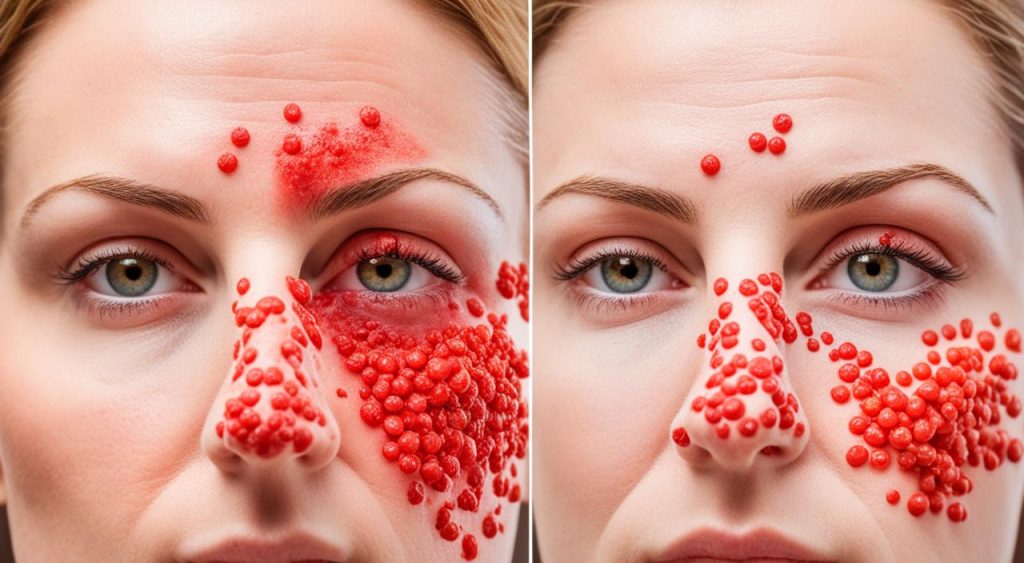
Illustration: The image above provides a visual representation of the prevalence of fungal acne, showcasing the impact it has on individuals and the importance of accurate diagnosis.
Conclusion
Fungal acne can be effectively treated at home using natural remedies and DIY solutions. By understanding the causes, symptoms, and risk factors of fungal acne, implementing preventive measures, and knowing when to seek professional help, individuals can effectively manage this common skin condition. It is important to follow a proper skincare routine, use appropriate products, and maintain good hygiene to prevent the recurrence of fungal acne.
When dealing with fungal acne, it is crucial to be aware of the underlying factors that contribute to its development. Excessive sweating, tight clothing, a compromised immune system, and certain medications can all play a role in triggering fungal acne. By addressing these factors and making positive lifestyle changes, individuals can reduce the likelihood of developing or experiencing recurrent outbreaks of fungal acne.
If at-home remedies do not provide relief or if the condition worsens, it is advisable to seek professional help from a dermatologist. They can offer a precise diagnosis, prescribe targeted treatments such as topical or oral antifungal medications, and provide personalized advice on managing fungal acne. Remember, early intervention and proper treatment are key to resolving fungal acne effectively.