
Food
Cinnamon Tea Benefits: Unlocking Health Secrets
Explore the myriad cinnamon tea benefits for health, including weight loss, diabetes management, skin wellness, and improved digestion.


Cinnamon tea is not only a delicious and comforting beverage; it also offers numerous health benefits that contribute to overall wellness. From antioxidant properties to heart health support, cinnamon tea has been hailed for its potential to enhance various aspects of our well-being.
The antioxidant properties of cinnamon help neutralize free radicals in the body, protecting cells from damage and oxidative stress. Additionally, cinnamon has anti-inflammatory effects and can even help reduce fungal infections. This versatile spice supports heart health by improving cholesterol control, and it can improve breathing and respiratory health by reducing asthma symptoms.
Cinnamon is not just beneficial for the body; it also supports brain health by aiding in the recovery of aging cells. Furthermore, it promotes healthy digestion, aids in reducing joint stiffness, and has hormonal balancing properties that may reduce allergy symptoms. Cinnamon can even support liver detoxification and help regulate blood sugar levels.
To fully unlock the potential health benefits, it is essential to choose the right type of cinnamon. Let’s explore the different varieties and how to incorporate cinnamon into your diet for maximum benefits.
Key Takeaways:
- Cinnamon tea offers a wide range of health benefits, including antioxidant and anti-inflammatory properties.
- It promotes heart health and supports respiratory and brain functions.
- Cinnamon aids in digestion, joint health, and hormonal balance.
- It can also support liver detoxification and help regulate blood sugar levels.
- Choose Ceylon Cinnamon for its lower coumarin content and check the coumarin levels in other cinnamon products.
Choosing the Right Cinnamon
When it comes to cinnamon, there are two main types to consider: Ceylon Cinnamon and Cassia Cinnamon. Both varieties offer distinct flavors and aromas, but there are important differences to note.
Ceylon Cinnamon is often regarded as the superior choice, particularly for those seeking its health benefits. It is known for its delicate and sweet flavor, with hints of citrus and floral notes. One of the key advantages of Ceylon Cinnamon is its lower coumarin content. Coumarin, a naturally occurring compound found in cinnamon, can potentially cause liver problems when consumed in high quantities. Choosing Ceylon Cinnamon ensures a safer and healthier option.
Cassia Cinnamon, on the other hand, has a stronger and more robust flavor profile. It is the more commonly found variety in grocery stores and is often used in baking and cooking. However, it is important to note that Cassia Cinnamon has a higher coumarin content compared to Ceylon Cinnamon. While moderate consumption of Cassia Cinnamon is generally safe, those with liver conditions or who consume large amounts of cinnamon on a regular basis may want to exercise caution.
If you are using cinnamon primarily for its health benefits, such as its antioxidant and anti-inflammatory properties, it is recommended to choose Ceylon Cinnamon. It provides the same health benefits while minimizing the potential risks associated with high coumarin content.
“Ceylon Cinnamon is the preferred choice for those looking to reap the health benefits of cinnamon without compromising their liver health.”
To ensure coumarin is completely removed, you can consider using cinnamon extract from reputable health food stores. This extract undergoes a specialized process to eliminate coumarin while retaining the beneficial properties of cinnamon.
| Cinnamon Type | Flavor | Coumarin Content |
|---|---|---|
| Ceylon Cinnamon | Delicate and sweet with citrus and floral notes | Lower coumarin content |
| Cassia Cinnamon | Stronger and more robust | Higher coumarin content |
Incorporating Cinnamon Into Your Diet
When it comes to incorporating cinnamon into your diet, there are several forms available, including cinnamon powder, cinnamon sticks, and cinnamon extract. Each form has its own unique uses and benefits.
Cinnamon Powder: Powdered cinnamon is a versatile option that can be easily sprinkled onto various dishes. Whether you’re seasoning your morning oatmeal or adding a touch of warmth to your favorite dessert, cinnamon powder provides a convenient way to enjoy the flavors and health benefits of cinnamon.
Cinnamon Sticks: If you prefer a more aromatic and visually appealing experience, consider using cinnamon sticks in your cooking. These sticks can be added to dishes like rice, stews, or mulled beverages to infuse them with a rich cinnamon flavor. Simply remove the sticks before serving.
Cinnamon Extract: For those looking for a concentrated form of cinnamon, cinnamon extract is an excellent choice. It is commonly used as a natural sweetener and flavoring agent in various recipes. Additionally, cinnamon extract without coumarin, a compound found in some types of cinnamon, can be beneficial for managing blood sugar levels.
By incorporating a variety of cinnamon forms into your diet, you can keep your meals interesting while enjoying the many benefits that cinnamon has to offer.
Comparison of Cinnamon Forms
| Cinnamon Form | Uses | Benefits |
|---|---|---|
| Cinnamon Powder | Seasoning food | – Versatile and convenient – Provides warmth and flavor to dishes |
| Cinnamon Sticks | Cooking and infusing flavor | – Aromatic and visually appealing – Adds rich cinnamon flavor to dishes |
| Cinnamon Extract | Natural sweetener and flavoring | – Concentrated form of cinnamon – Can help manage blood sugar levels |
Use a variety of cinnamon forms to enhance your meals and enjoy the many benefits of this aromatic spice.
Cinnamon Tea for Immunity and Cold Relief
When it comes to fighting off the effects of cold and flu, cinnamon tea can be a powerful ally. By simply adding a teaspoon of cinnamon to your warm drinks, you can provide your body with the tools it needs to reduce the impact of these common illnesses.
Cinnamon is known for its anti-microbial properties, which can help boost your immune system and protect against harmful bacteria and fungus. By incorporating cinnamon tea into your daily routine, you can fortify your body against potential invaders and maintain a healthier overall well-being.
During a cold, drinking cinnamon tea in hot water can provide soothing relief. The warm liquid combined with the anti-inflammatory properties of cinnamon can help alleviate symptoms such as coughing, sore throat, and nasal congestion. Not only does it offer comfort, but it also aids in reducing the duration and severity of your cold.
With its natural ability to reduce cold and flu effects and its powerful anti-microbial properties, cinnamon tea is a fantastic addition to any immune-boosting regimen. So the next time you’re feeling under the weather, reach for a cup of warm cinnamon tea and let its healing properties do their magic.
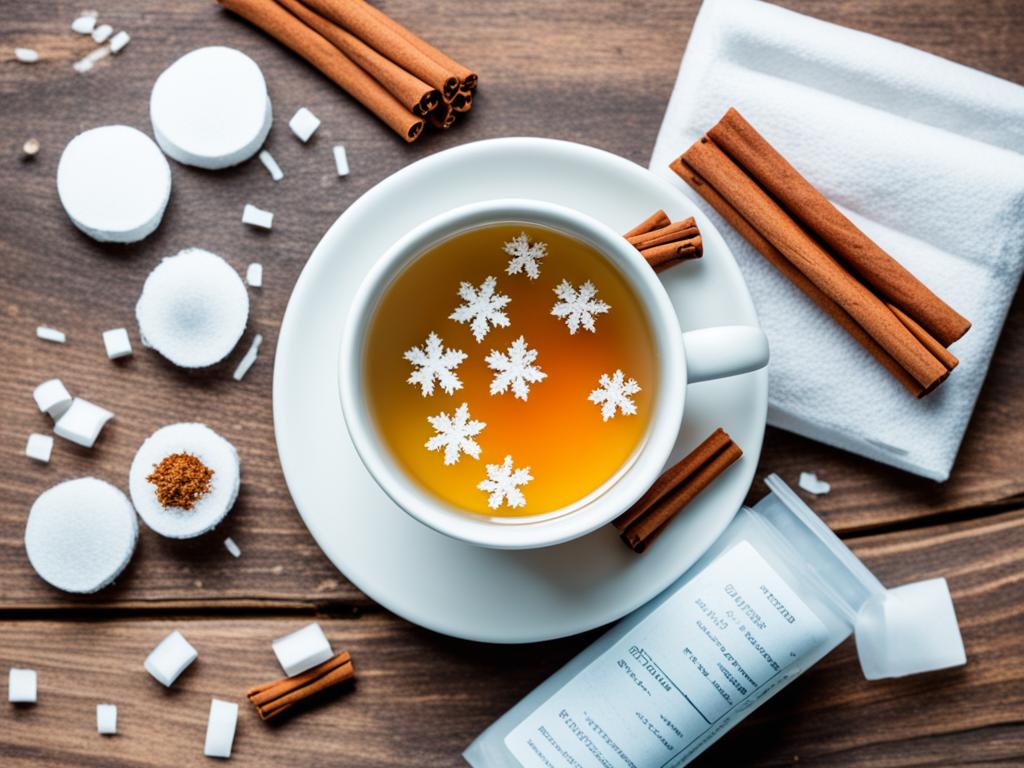
| Benefits of Cinnamon Tea for Immunity and Cold Relief |
|---|
| Reduces the effects of cold and flu |
| Boosts the immune system |
| Fights against bacteria and fungus |
| Provides soothing relief during a cold |
Cinnamon Tea for Digestive Health
Cinnamon tea offers numerous benefits for improving digestive health and aiding in digestion. Whether consumed on its own or added to various dishes, cinnamon can be a valuable addition to your diet. Let’s explore how cinnamon tea can benefit your digestion and provide post-meal relief.
Improved Digestion
Cinnamon stimulates the digestive system and helps break down food more efficiently. It promotes the secretion of digestive enzymes, which aid in the breakdown of carbohydrates, proteins, and fats. By enhancing the digestive process, cinnamon tea can help prevent digestive discomfort such as bloating and indigestion.
Blood Sugar Regulation
Adding cinnamon to high-carb meals can help mitigate the impact on blood sugar levels. Cinnamon contains compounds that improve insulin sensitivity, allowing cells to better utilize glucose. As a result, cinnamon can be a valuable tool in managing blood sugar levels, especially for individuals with diabetes or insulin resistance.
Post-Meal Digestive Aid
Drinking a cup of cinnamon tea after a meal can provide post-meal relief and aid in digestion. The warm tea helps relax the muscles in the digestive tract, allowing food to move more efficiently through the system. Additionally, cinnamon’s natural properties support the body’s natural digestive processes, helping to alleviate post-meal discomfort.
To further enhance the benefits, consider pairing cinnamon tea with a balanced diet rich in fiber, fruits, and vegetables. This combination can promote overall digestive health and support regular bowel movements.
Incorporating cinnamon tea into your daily routine can contribute to optimal digestion and provide valuable post-meal support. Whether enjoying a warm cup of cinnamon tea or seasoning your favorite dishes with this fragrant spice, cinnamon can be a delicious and beneficial addition to your digestive health regimen.
Cinnamon Tea for Colon Health
Cinnamon tea offers several benefits for colon health, thanks to its rich calcium and fiber content. Both calcium and fiber play crucial roles in promoting a healthy colon and resolving common digestive issues.
The calcium found in cinnamon tea can bind to bile salts in the colon, facilitating their removal from the body. This process helps lower the risk of colon cancer and effectively relieves constipation or diarrhea.
Furthermore, the fiber content in cinnamon tea is beneficial for individuals with irritable bowel syndrome (IBS). Fiber helps regulate bowel movements and alleviates symptoms such as abdominal pain, bloating, and irregularity.
By incorporating cinnamon tea into your daily routine, you can support your colon health while enjoying a flavorful and aromatic beverage.
| Benefits | How It Helps |
|---|---|
| Reduced risk of colon cancer | Calcium in cinnamon tea binds to bile salts, promoting their elimination |
| Relief from constipation or diarrhea | Calcium in cinnamon tea regulates bowel movements |
| Alleviation of IBS symptoms | The fiber content in cinnamon tea aids in regulating bowel movements and reducing abdominal discomfort |
Expert Insight:
“The calcium and fiber content in cinnamon tea can have a positive impact on colon health. By promoting regular bowel movements and helping to eliminate harmful substances from the body, cinnamon tea can contribute to a healthy digestive system.”
With its calcium and fiber content, cinnamon tea proves to be a natural and effective choice for supporting colon health. Regular consumption of cinnamon tea can not only lower the risk of colon cancer but also alleviate digestive issues and promote overall well-being.
Cinnamon Tea for Heart Health
When it comes to promoting heart health, cinnamon tea may offer some benefits. While it is not proven to significantly lower cholesterol levels, it can still play a role in a healthy diet and lifestyle.
One potential advantage of cinnamon tea is its ability to help lower bad cholesterol (LDL) levels and increase good cholesterol (HDL) levels. By improving cholesterol control, cinnamon tea can contribute to better heart health.
Cinnamon tea contains compounds that have been shown to have antioxidant and anti-inflammatory effects. These properties may help reduce the risk of heart disease by preventing oxidative stress and inflammation in the arteries.
It’s important to note that cinnamon tea should not be relied upon as the sole method for managing cholesterol or preventing heart disease. It should be used in combination with a healthy diet, regular exercise, and other lifestyle modifications recommended by healthcare professionals.
The Potential Benefits of Cinnamon Tea for Heart Health
To provide a clearer picture of the potential benefits of cinnamon tea for heart health, here is a summarized table:
| Benefits | Description |
|---|---|
| Helps lower bad cholesterol levels | Cinnamon tea may help reduce levels of LDL cholesterol, also known as “bad” cholesterol, in the body. |
| Increases good cholesterol levels | Cinnamon tea may help increase levels of HDL cholesterol, also known as “good” cholesterol, in the body. |
| Antioxidant and anti-inflammatory effects | Cinnamon tea contains antioxidants and anti-inflammatory compounds that can promote heart health by reducing oxidative stress and inflammation in the arteries. |
While these potential benefits are promising, it’s important to consult with a healthcare professional before making any significant changes to your diet or lifestyle, especially if you have existing heart conditions or are taking medications.
Precautions and Storage Tips
To fully enjoy the benefits of cinnamon, it’s important to be aware of some precautions and storage tips. While cinnamon is generally safe for consumption, consuming excessive amounts may lead to potential side effects.
If you have diabetes or are taking blood thinners, it is crucial to consult with a healthcare professional before regularly consuming cinnamon. They can provide guidance on the appropriate amount to include in your diet and any potential interactions with medications or conditions.
Proper storage of cinnamon is essential to maintain its freshness and flavor. To keep cinnamon at its best, store it in a tightly sealed glass container in a cool, dark, and dry place. This will help prevent moisture and light from degrading its quality.
Ground cinnamon typically remains fresh for up to six months when stored properly. However, cinnamon sticks can last even longer, with a shelf life of up to one year. By following these storage tips, you can ensure that your cinnamon stays fragrant and flavorful for all your culinary and wellness needs.