General Skin Care & Health
Improve Skin Health: Tips for a Radiant Complexion
Taking care of your skin is essential for achieving a radiant, glowing complexion. As we age, our skin undergoes changes that can affect its appearance and health. However, by following these tips, I can improve my skin health and maintain a youthful appearance.
One of the key factors in improving skin health is adopting a natural skincare routine. Using products that are free from harsh chemicals and artificial ingredients can help nourish and protect the skin.
Additionally, incorporating anti-aging remedies into my skincare routine can help combat the signs of aging. These remedies may include using serums, creams, or masks that target specific skin concerns such as fine lines and wrinkles.
Research shows that natural ingredients such as antioxidants, vitamins C and E, and hyaluronic acid can help improve the overall health and appearance of the skin. These ingredients work to hydrate, rejuvenate, and protect the skin from environmental damage.
To further enhance my skin health, I should also prioritize a healthy lifestyle. This includes maintaining a balanced diet rich in fruits and vegetables, drinking plenty of water, getting regular exercise, and managing stress.
By incorporating these tips into my skincare routine and lifestyle, I can improve my skin health and achieve the radiant complexion I desire.
Protect Yourself from the Sun for Healthy Skin
When it comes to keeping your skin healthy and youthful, sun protection plays a vital role. Sun exposure can lead to various skin problems, including wrinkles, age spots, and even skin cancer. It’s crucial to take the necessary steps to protect your skin from harmful UV rays. Here are some essential tips:
- Use Broad-Spectrum Sunscreen: Apply sunscreen with a minimum SPF 15 or higher every day, regardless of the weather. Opt for a broad-spectrum sunscreen that protects against both UVA and UVB rays.
- Seek Shade During Peak Hours: Try to avoid direct sun exposure during the peak hours of 10 a.m. to 4 p.m. When possible, seek shade under an umbrella, tree, or other forms of shelter.
- Wear Protective Clothing: Cover up your skin by wearing long-sleeved shirts, long pants, and wide-brimmed hats. This physical barrier helps shield your skin from harmful UV rays.
“Prevention is key when it comes to sun damage. By taking simple steps to protect your skin, you can significantly reduce the risk of wrinkles, age spots, and skin cancer.” – Dermatologist Dr. Lisa Thompson
Remember, sun protection should be a year-round practice, not just during the summer months or on sunny days. Even on cloudy or cool days, UV rays can still damage your skin. By incorporating sun protection into your daily skincare routine, you can maintain healthy and youthful-looking skin.
| Effect of Sun Exposure | Sun Protection Measures |
|---|---|
| Increased risk of wrinkles and fine lines | Use broad-spectrum sunscreen with SPF 15 or higher |
| Development of age spots and pigmentation issues | Seek shade during peak hours |
| Higher chances of skin cancer | Wear protective clothing and accessories |
Quit Smoking and Improve Your Skin Health
As an advocate for healthy skin, I cannot stress enough the importance of quitting smoking. Not only is smoking detrimental to your overall health, but it also significantly impacts the condition of your skin.
One of the most visible and immediate effects of smoking is the premature aging it causes. Wrinkles become more pronounced, and the skin loses its youthful elasticity. This is due to the harmful chemicals present in cigarettes that damage collagen and elastin, the proteins responsible for maintaining the skin’s firmness and elasticity.
Furthermore, smoking increases the risk of developing skin cancer. The harmful UV radiation from the sun, combined with the toxins from cigarette smoke, can mutate the DNA in skin cells, leading to the formation of cancerous cells.
“Smoking and exposure to the sun’s UV rays are a dangerous combination that can wreak havoc on your skin. Quitting smoking is essential to reduce the risk of skin cancer and preserve the health of your skin.” – Dr. Emily Johnson, Dermatologist
By quitting smoking, you not only improve your overall health but also give your skin a chance to repair and recover. Within a few months of quitting, you’ll begin to notice positive changes in your complexion. The skin becomes brighter, smoother, and more youthful-looking.
I understand that quitting smoking can be challenging, but there are numerous resources available to support you on your journey. Whether it’s nicotine replacement therapy, counseling, or support groups, finding the right method for you is crucial. Your skin will thank you, and you’ll ultimately improve your overall well-being.
| Benefits of Quitting Smoking for Skin Health | Timeline |
|---|---|
| Improved skin texture and tone | 2-3 months |
| Reduction in the appearance of wrinkles | 6 months |
| Decreased risk of skin cancer | 1 year |
So, if you’re ready to put your skin health first, take the courageous step to quit smoking. Your skin will thank you for it, and you’ll experience the joy of a healthier, more radiant complexion.
Treat Your Skin Gently for a Healthy Complexion
Proper skin care is crucial for maintaining a healthy complexion. By adopting a gentle daily routine, you can keep your skin glowing and nourished.
The first step in cleansing your skin is to use a mild, pH-balanced cleanser. Avoid harsh soaps and cleansers that can strip away natural oils and disrupt the skin’s barrier.
When cleansing, be gentle and avoid scrubbing too vigorously. Use lukewarm water instead of hot water, as hot water can further dry out the skin.
To maintain the skin’s moisture, limit your bath time and opt for shorter showers. Prolonged exposure to water can remove the skin’s natural oils, leading to dryness and irritation.
Shaving can also take a toll on the skin if not done properly. Always use a sharp, clean razor and shave in the direction of hair growth to minimize irritation and ingrown hairs.
Before shaving, soften the hair and open up the pores by using warm water or a warm towel on the area to be shaved. Apply a quality shaving cream or gel to provide a smooth glide and reduce the risk of nicks and cuts.
After shaving, rinse the skin with cool water to soothe any irritation and apply a moisturizer to hydrate the skin and reduce redness.
Maintain Hydration with Moisturizing
Moisturizing is an essential step in any skincare routine. It helps lock in moisture, prevent dryness, and maintain a healthy barrier function.
Choose a moisturizer that suits your skin type, whether it’s dry, oily, or combination skin. Look for products that contain ingredients like hyaluronic acid, glycerin, or ceramides for optimal hydration.
When applying moisturizer, use gentle upward strokes to avoid tugging on the skin. Massage the moisturizer into the skin until fully absorbed.
For those with dry skin, consider using a richer moisturizer, especially during colder months or in dry climates.
Remember to moisturize not only your face but also other parts of your body, like your hands and neck, which are often exposed to environmental stressors.
Effective skincare
“The key to healthy skin is a gentle approach. Treat your skin with care during cleansing, shaving, and moisturizing. By following a proper skincare routine, you can achieve a healthy, radiant complexion.”
| Tips for Treating Your Skin Gently | Cleansing | Shaving | Moisturizing |
|---|---|---|---|
| Use a mild, pH-balanced cleanser | Avoid harsh soaps and cleansers | Use a clean, sharp razor | Choose a moisturizer based on your skin type |
| Be gentle and avoid scrubbing vigorously | Use lukewarm water for cleansing | Shave in the direction of hair growth | Apply moisturizer with gentle upward strokes |
| Limit bath time and use lukewarm water | Avoid prolonged exposure to water | Softens hair with warm water or warm towel | Moisturize other parts of the body, like hands and neck |
Eat a Healthy Diet for Younger Looking Skin
When it comes to achieving younger-looking skin, a healthy diet plays a vital role. Incorporating a variety of fruits, vegetables, whole grains, and lean proteins into your daily meals can provide essential nutrients that promote skin health.
Consuming a wide range of colorful fruits and vegetables ensures that you receive a diverse array of vitamins, minerals, and antioxidants necessary for maintaining youthful skin. For instance, citrus fruits like oranges and lemons are rich in vitamin C, which helps in collagen production and fights skin damage caused by free radicals.
Furthermore, whole grains such as brown rice and whole wheat bread contain B vitamins that help to retain moisture in the skin, preventing dryness and enhancing its radiance.
When it comes to lean proteins, options like skinless chicken breast, fish, and tofu are packed with amino acids necessary for the production of collagen and elastin, which keep the skin firm and supple.
A healthy diet rich in fruits, vegetables, whole grains, and lean proteins can promote younger-looking skin.
In addition to incorporating these nutrient-rich foods, it’s essential to stay hydrated by drinking plenty of water. Water not only keeps our bodies hydrated but also helps flush out toxins that can affect the appearance of the skin. Aim to drink at least 8 glasses of water per day to maintain proper hydration levels.
Remember, the key to achieving younger-looking skin lies in nourishing your body from the inside out. By giving your skin the nutrients it needs through a healthy diet and staying adequately hydrated, you can enjoy a radiant, youthful complexion.


| Nutrient | Sources |
|---|---|
| Vitamin C | Citrus fruits, strawberries, bell peppers |
| Vitamin E | Almonds, spinach, sunflower seeds |
| Vitamin A | Carrots, sweet potatoes, kale |
| Omega-3 Fatty Acids | Fatty fish, walnuts, flaxseeds |
| Zinc | Shellfish, lentils, pumpkin seeds |
Manage Stress for Healthy Skin
Stress is a common part of daily life, but did you know that it can have a negative impact on your skin? When we experience uncontrolled stress, it can trigger acne breakouts and exacerbate existing skin issues. To maintain a healthy state of mind and promote healthy skin, it’s important to manage stress effectively.
Getting Adequate Sleep
One of the key ways to manage stress is by prioritizing sleep. Lack of sleep not only affects your overall well-being but can also contribute to increased stress levels and worsen acne breakouts. Aim for at least 7-8 hours of quality sleep each night to give your body and mind the rest they need.
Setting Limits and Prioritizing Self-Care
In today’s fast-paced world, it’s easy to become overwhelmed and overloaded with responsibilities. Setting limits and learning to say no when needed is crucial for managing stress. By prioritizing self-care and carving out time for activities that bring you joy and relaxation, you can reduce stress levels and maintain a healthy state of mind.
“Taking care of myself doesn’t mean ‘me first.’ It means ‘me, too.'” – L.R. Knost
Engaging in Enjoyable Activities
Engaging in activities that you enjoy can help you unwind, reduce stress, and promote a healthy state of mind. Whether it’s practicing yoga, going for a walk in nature, listening to music, or spending quality time with loved ones, find activities that bring you peace and make them a regular part of your routine.
By managing stress through adequate sleep, setting limits, and engaging in enjoyable activities, you can promote a healthy state of mind and minimize the impact of stress on your skin. Remember, taking care of your mental well-being is just as important as taking care of your physical health.
| Effects of Stress on Skin | How to Manage Stress |
|---|---|
| Increased acne breakouts | Getting adequate sleep |
| Worsening of existing skin conditions | Setting limits and prioritizing self-care |
| Premature aging | Engaging in enjoyable activities |
Cleansing and Moisturizing for Glowing Skin
When it comes to achieving a healthy and glowing complexion, regular cleansing and moisturizing are essential steps in your skincare routine. Cleansing helps remove dirt, oil, and impurities from your skin, while moisturizing helps keep your skin hydrated and nourished. By following these simple steps, you can achieve the radiant, glowing skin you’ve always desired.
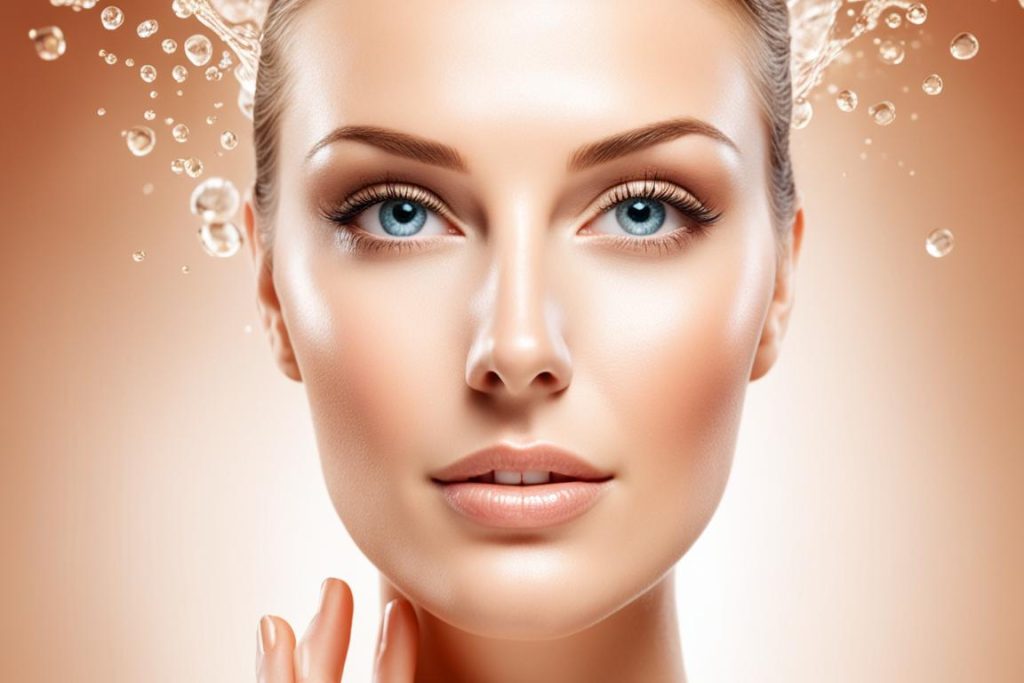
Gentle Cleansing for Healthy Skin
Start by choosing a gentle cleanser suitable for your skin type. Cleansers that are too harsh can strip away the skin’s natural oils, leading to dryness and irritation. Gently massage the cleanser onto your face using circular motions, paying extra attention to areas prone to oiliness or congestion.
After thoroughly cleansing, rinse your face with lukewarm water and pat it dry with a clean towel. Avoid rubbing your face vigorously, as this can damage the skin and cause redness. Cleansing your face in the morning and evening will help remove dirt, sweat, and makeup, allowing your skin to breathe and renew itself.
The Importance of Moisturizing
Moisturizing is essential to maintain the skin’s natural moisture barrier and prevent dryness. Choose a moisturizer that suits your skin type, whether it’s oily, dry, or combination skin. Look for moisturizers with ingredients like hyaluronic acid, ceramides, or glycerin, which help attract and retain moisture in the skin.
After cleansing, apply the moisturizer to your face, neck, and décolletage using gentle upward motions. This will help lock in moisture and create a protective barrier against environmental stressors. Don’t forget to include your lips and the delicate under-eye area in your moisturizing routine.
The Importance of Consistency
Consistency is key when it comes to achieving glowing skin. Make cleansing and moisturizing a part of your daily skincare routine. By incorporating these steps into your morning and evening regimen, you can maintain the health and vibrancy of your skin over time.
| Cleansing | Moisturizing |
|---|---|
| Removes dirt, oil, and impurities | Provides hydration and nourishment |
| Prevents clogged pores | Maintains the skin’s moisture barrier |
| Enhances the absorption of skincare products | Protects against environmental stressors |
Tips for Effective Cleansing and Moisturizing
- Use lukewarm water for cleansing to avoid stripping the skin of its natural oils
- Pat your face dry with a clean towel instead of rubbing
- Apply the moisturizer while your skin is still slightly damp to lock in moisture
- Exfoliate your skin once or twice a week to remove dead skin cells and enhance product absorption
- Protect your skin from the sun by using a broad-spectrum sunscreen
Remember, every person’s skin is unique, so it’s essential to find a cleansing and moisturizing routine that works best for you. Consulting a dermatologist can help you determine the right products and techniques for your specific skin needs.
Conclusion
By implementing these simple yet effective skincare tips, you can significantly improve your skin health and achieve a radiant complexion. It is crucial to protect your skin from the harmful effects of the sun by using sunscreen, seeking shade, and wearing protective clothing.
Additionally, quitting smoking not only benefits your overall health but also contributes to preventing premature aging and reducing the risk of skin cancer.
Treating your skin gently through proper cleansing, moisturizing, and using the right skincare products for your skin type is essential for maintaining a healthy complexion. Pairing this with a healthy diet rich in fruits, vegetables, and water can further enhance your skin’s appearance.
Managing stress is another crucial aspect of skincare as it can help prevent acne breakouts and promote a healthy state of mind. Remember to establish a consistent skincare routine and maintain it diligently for the best results.
FAQ
What are some tips for improving skin health and achieving a radiant complexion?
How can I protect my skin from the sun?
Does smoking affect my skin health?
How should I treat my skin gently?
Can my diet affect the health of my skin?
Can stress affect my skin?
How can I achieve a glowing complexion through cleansing and moisturizing?
Source Links
Beauty
Boost Your Glow: Tips to Improve Skin Health
Taking care of your skin is essential for achieving a radiant, glowing complexion. As we age, our skin undergoes changes that can affect its appearance and health. However, by following these tips, I can improve my skin health and maintain a youthful appearance.
One of the key factors in improving skin health is adopting a natural skincare routine. Using products that are free from harsh chemicals and artificial ingredients can help nourish and protect the skin.
Additionally, incorporating anti-aging remedies into my skincare routine can help combat the signs of aging. These remedies may include using serums, creams, or masks that target specific skin concerns such as fine lines and wrinkles.
Research shows that natural ingredients such as antioxidants, vitamins C and E, and hyaluronic acid can help improve the overall health and appearance of the skin. These ingredients work to hydrate, rejuvenate, and protect the skin from environmental damage.
To further enhance my skin health, I should also prioritize a healthy lifestyle. This includes maintaining a balanced diet rich in fruits and vegetables, drinking plenty of water, getting regular exercise, and managing stress.
By incorporating these tips into my skincare routine and lifestyle, I can improve my skin health and achieve the radiant complexion I desire.
Protect Yourself from the Sun for Healthy Skin
When it comes to keeping your skin healthy and youthful, sun protection plays a vital role. Sun exposure can lead to various skin problems, including wrinkles, age spots, and even skin cancer. It’s crucial to take the necessary steps to protect your skin from harmful UV rays. Here are some essential tips:
- Use Broad-Spectrum Sunscreen: Apply sunscreen with a minimum SPF 15 or higher every day, regardless of the weather. Opt for a broad-spectrum sunscreen that protects against both UVA and UVB rays.
- Seek Shade During Peak Hours: Try to avoid direct sun exposure during the peak hours of 10 a.m. to 4 p.m. When possible, seek shade under an umbrella, tree, or other forms of shelter.
- Wear Protective Clothing: Cover up your skin by wearing long-sleeved shirts, long pants, and wide-brimmed hats. This physical barrier helps shield your skin from harmful UV rays.
“Prevention is key when it comes to sun damage. By taking simple steps to protect your skin, you can significantly reduce the risk of wrinkles, age spots, and skin cancer.” – Dermatologist Dr. Lisa Thompson
Remember, sun protection should be a year-round practice, not just during the summer months or on sunny days. Even on cloudy or cool days, UV rays can still damage your skin. By incorporating sun protection into your daily skincare routine, you can maintain healthy and youthful-looking skin.
| Effect of Sun Exposure | Sun Protection Measures |
|---|---|
| Increased risk of wrinkles and fine lines | Use broad-spectrum sunscreen with SPF 15 or higher |
| Development of age spots and pigmentation issues | Seek shade during peak hours |
| Higher chances of skin cancer | Wear protective clothing and accessories |
Quit Smoking and Improve Your Skin Health
As an advocate for healthy skin, I cannot stress enough the importance of quitting smoking. Not only is smoking detrimental to your overall health, but it also significantly impacts the condition of your skin.
One of the most visible and immediate effects of smoking is the premature aging it causes. Wrinkles become more pronounced, and the skin loses its youthful elasticity. This is due to the harmful chemicals present in cigarettes that damage collagen and elastin, the proteins responsible for maintaining the skin’s firmness and elasticity.
Furthermore, smoking increases the risk of developing skin cancer. The harmful UV radiation from the sun, combined with the toxins from cigarette smoke, can mutate the DNA in skin cells, leading to the formation of cancerous cells.
“Smoking and exposure to the sun’s UV rays are a dangerous combination that can wreak havoc on your skin. Quitting smoking is essential to reduce the risk of skin cancer and preserve the health of your skin.” – Dr. Emily Johnson, Dermatologist
By quitting smoking, you not only improve your overall health but also give your skin a chance to repair and recover. Within a few months of quitting, you’ll begin to notice positive changes in your complexion. The skin becomes brighter, smoother, and more youthful-looking.
I understand that quitting smoking can be challenging, but there are numerous resources available to support you on your journey. Whether it’s nicotine replacement therapy, counseling, or support groups, finding the right method for you is crucial. Your skin will thank you, and you’ll ultimately improve your overall well-being.
| Benefits of Quitting Smoking for Skin Health | Timeline |
|---|---|
| Improved skin texture and tone | 2-3 months |
| Reduction in the appearance of wrinkles | 6 months |
| Decreased risk of skin cancer | 1 year |
So, if you’re ready to put your skin health first, take the courageous step to quit smoking. Your skin will thank you for it, and you’ll experience the joy of a healthier, more radiant complexion.
Treat Your Skin Gently for a Healthy Complexion
Proper skin care is crucial for maintaining a healthy complexion. By adopting a gentle daily routine, you can keep your skin glowing and nourished.
The first step in cleansing your skin is to use a mild, pH-balanced cleanser. Avoid harsh soaps and cleansers that can strip away natural oils and disrupt the skin’s barrier.
When cleansing, be gentle and avoid scrubbing too vigorously. Use lukewarm water instead of hot water, as hot water can further dry out the skin.
To maintain the skin’s moisture, limit your bath time and opt for shorter showers. Prolonged exposure to water can remove the skin’s natural oils, leading to dryness and irritation.
Shaving can also take a toll on the skin if not done properly. Always use a sharp, clean razor and shave in the direction of hair growth to minimize irritation and ingrown hairs.
Before shaving, soften the hair and open up the pores by using warm water or a warm towel on the area to be shaved. Apply a quality shaving cream or gel to provide a smooth glide and reduce the risk of nicks and cuts.
After shaving, rinse the skin with cool water to soothe any irritation and apply a moisturizer to hydrate the skin and reduce redness.
Maintain Hydration with Moisturizing
Moisturizing is an essential step in any skincare routine. It helps lock in moisture, prevent dryness, and maintain a healthy barrier function.
Choose a moisturizer that suits your skin type, whether it’s dry, oily, or combination skin. Look for products that contain ingredients like hyaluronic acid, glycerin, or ceramides for optimal hydration.
When applying moisturizer, use gentle upward strokes to avoid tugging on the skin. Massage the moisturizer into the skin until fully absorbed.
For those with dry skin, consider using a richer moisturizer, especially during colder months or in dry climates.
Remember to moisturize not only your face but also other parts of your body, like your hands and neck, which are often exposed to environmental stressors.
Effective skincare
“The key to healthy skin is a gentle approach. Treat your skin with care during cleansing, shaving, and moisturizing. By following a proper skincare routine, you can achieve a healthy, radiant complexion.”
| Tips for Treating Your Skin Gently | Cleansing | Shaving | Moisturizing |
|---|---|---|---|
| Use a mild, pH-balanced cleanser | Avoid harsh soaps and cleansers | Use a clean, sharp razor | Choose a moisturizer based on your skin type |
| Be gentle and avoid scrubbing vigorously | Use lukewarm water for cleansing | Shave in the direction of hair growth | Apply moisturizer with gentle upward strokes |
| Limit bath time and use lukewarm water | Avoid prolonged exposure to water | Softens hair with warm water or warm towel | Moisturize other parts of the body, like hands and neck |
Eat a Healthy Diet for Younger Looking Skin
When it comes to achieving younger-looking skin, a healthy diet plays a vital role. Incorporating a variety of fruits, vegetables, whole grains, and lean proteins into your daily meals can provide essential nutrients that promote skin health.
Consuming a wide range of colorful fruits and vegetables ensures that you receive a diverse array of vitamins, minerals, and antioxidants necessary for maintaining youthful skin. For instance, citrus fruits like oranges and lemons are rich in vitamin C, which helps in collagen production and fights skin damage caused by free radicals.
Furthermore, whole grains such as brown rice and whole wheat bread contain B vitamins that help to retain moisture in the skin, preventing dryness and enhancing its radiance.
When it comes to lean proteins, options like skinless chicken breast, fish, and tofu are packed with amino acids necessary for the production of collagen and elastin, which keep the skin firm and supple.
A healthy diet rich in fruits, vegetables, whole grains, and lean proteins can promote younger-looking skin.
In addition to incorporating these nutrient-rich foods, it’s essential to stay hydrated by drinking plenty of water. Water not only keeps our bodies hydrated but also helps flush out toxins that can affect the appearance of the skin. Aim to drink at least 8 glasses of water per day to maintain proper hydration levels.
Remember, the key to achieving younger-looking skin lies in nourishing your body from the inside out. By giving your skin the nutrients it needs through a healthy diet and staying adequately hydrated, you can enjoy a radiant, youthful complexion.
| Nutrient | Sources |
|---|---|
| Vitamin C | Citrus fruits, strawberries, bell peppers |
| Vitamin E | Almonds, spinach, sunflower seeds |
| Vitamin A | Carrots, sweet potatoes, kale |
| Omega-3 Fatty Acids | Fatty fish, walnuts, flaxseeds |
| Zinc | Shellfish, lentils, pumpkin seeds |
Manage Stress for Healthy Skin
Stress is a common part of daily life, but did you know that it can have a negative impact on your skin? When we experience uncontrolled stress, it can trigger acne breakouts and exacerbate existing skin issues. To maintain a healthy state of mind and promote healthy skin, it’s important to manage stress effectively.
Getting Adequate Sleep
One of the key ways to manage stress is by prioritizing sleep. Lack of sleep not only affects your overall well-being but can also contribute to increased stress levels and worsen acne breakouts. Aim for at least 7-8 hours of quality sleep each night to give your body and mind the rest they need.
Setting Limits and Prioritizing Self-Care
In today’s fast-paced world, it’s easy to become overwhelmed and overloaded with responsibilities. Setting limits and learning to say no when needed is crucial for managing stress. By prioritizing self-care and carving out time for activities that bring you joy and relaxation, you can reduce stress levels and maintain a healthy state of mind.
“Taking care of myself doesn’t mean ‘me first.’ It means ‘me, too.'” – L.R. Knost
Engaging in Enjoyable Activities
Engaging in activities that you enjoy can help you unwind, reduce stress, and promote a healthy state of mind. Whether it’s practicing yoga, going for a walk in nature, listening to music, or spending quality time with loved ones, find activities that bring you peace and make them a regular part of your routine.
By managing stress through adequate sleep, setting limits, and engaging in enjoyable activities, you can promote a healthy state of mind and minimize the impact of stress on your skin. Remember, taking care of your mental well-being is just as important as taking care of your physical health.
| Effects of Stress on Skin | How to Manage Stress |
|---|---|
| Increased acne breakouts | Getting adequate sleep |
| Worsening of existing skin conditions | Setting limits and prioritizing self-care |
| Premature aging | Engaging in enjoyable activities |
Cleansing and Moisturizing for Glowing Skin
When it comes to achieving a healthy and glowing complexion, regular cleansing and moisturizing are essential steps in your skincare routine. Cleansing helps remove dirt, oil, and impurities from your skin, while moisturizing helps keep your skin hydrated and nourished. By following these simple steps, you can achieve the radiant, glowing skin you’ve always desired.
Gentle Cleansing for Healthy Skin
Start by choosing a gentle cleanser suitable for your skin type. Cleansers that are too harsh can strip away the skin’s natural oils, leading to dryness and irritation. Gently massage the cleanser onto your face using circular motions, paying extra attention to areas prone to oiliness or congestion.
After thoroughly cleansing, rinse your face with lukewarm water and pat it dry with a clean towel. Avoid rubbing your face vigorously, as this can damage the skin and cause redness. Cleansing your face in the morning and evening will help remove dirt, sweat, and makeup, allowing your skin to breathe and renew itself.
The Importance of Moisturizing
Moisturizing is essential to maintain the skin’s natural moisture barrier and prevent dryness. Choose a moisturizer that suits your skin type, whether it’s oily, dry, or combination skin. Look for moisturizers with ingredients like hyaluronic acid, ceramides, or glycerin, which help attract and retain moisture in the skin.
After cleansing, apply the moisturizer to your face, neck, and décolletage using gentle upward motions. This will help lock in moisture and create a protective barrier against environmental stressors. Don’t forget to include your lips and the delicate under-eye area in your moisturizing routine.
The Importance of Consistency
Consistency is key when it comes to achieving glowing skin. Make cleansing and moisturizing a part of your daily skincare routine. By incorporating these steps into your morning and evening regimen, you can maintain the health and vibrancy of your skin over time.
| Cleansing | Moisturizing |
|---|---|
| Removes dirt, oil, and impurities | Provides hydration and nourishment |
| Prevents clogged pores | Maintains the skin’s moisture barrier |
| Enhances the absorption of skincare products | Protects against environmental stressors |
Tips for Effective Cleansing and Moisturizing
- Use lukewarm water for cleansing to avoid stripping the skin of its natural oils
- Pat your face dry with a clean towel instead of rubbing
- Apply the moisturizer while your skin is still slightly damp to lock in moisture
- Exfoliate your skin once or twice a week to remove dead skin cells and enhance product absorption
- Protect your skin from the sun by using a broad-spectrum sunscreen
Remember, every person’s skin is unique, so it’s essential to find a cleansing and moisturizing routine that works best for you. Consulting a dermatologist can help you determine the right products and techniques for your specific skin needs.
Conclusion
By implementing these simple yet effective skincare tips, you can significantly improve your skin health and achieve a radiant complexion. It is crucial to protect your skin from the harmful effects of the sun by using sunscreen, seeking shade, and wearing protective clothing.
Additionally, quitting smoking not only benefits your overall health but also contributes to preventing premature aging and reducing the risk of skin cancer.
Treating your skin gently through proper cleansing, moisturizing, and using the right skincare products for your skin type is essential for maintaining a healthy complexion. Pairing this with a healthy diet rich in fruits, vegetables, and water can further enhance your skin’s appearance.
Managing stress is another crucial aspect of skincare as it can help prevent acne breakouts and promote a healthy state of mind. Remember to establish a consistent skincare routine and maintain it diligently for the best results.
Leave a Reply