Crepey Skin & Anti-Aging
Understanding Crepey Skin: Causes & Care Tips
Welcome to my blog where we explore crepey skin’s causes and care. Crepey skin looks thin and wrinkled, like crepe paper. Aging and too much sun are big causes.
As we get older, our skin makes less collagen. Collagen keeps our skin tight and stretchy. So, our skin shows lines and wrinkles as we lose collagen.
Taking care of your skin is important. Protecting it from the sun helps a lot. So does using moisturizer to keep it soft and stretchy.
Also, certain things can make your skin worse. These include changes in weight, not drinking enough water, smoking, and a bad diet. But, making good choices can help your skin look better.
Later, we’ll talk more about why crepey skin happens and how to prevent it. We’ll share tips and advice to make your skin look and feel great. Stay tuned for more!
Causes of Crepey Skin
Crepey skin comes about from many different factors. These affect how our skin looks and feels. Knowing these causes can help us avoid and handle crepey skin well.
Aging
Getting older is a big reason for crepey skin. Collagen and elastin, what keeps our skin stretchy, make less as we age. This makes our skin not as tight or elastic.
Sun Damage
Too much sun is bad for our skin. It breaks down the collagen and elastin. This makes our skin look thin and wrinkled, which is typical of crepey skin.
Lack of Moisture
Not keeping our skin moist enough is also a cause. When our skin is dry, it can get lines and wrinkles more easily.
Weight Fluctuation
Our skin stretches and shrinks with weight changes. This stretching out can reduce its elastic quality over time. So, crepey skin can show up when we lose or gain a lot of weight.
Alcohol Consumption
Drinking too much can dry out our skin. It can also harm the collagen and elastin. This makes crepey skin more likely.
Medications
Some medications, like prednisone, can make your skin crepey. They affect collagen and how thick our skin is.
Smoking
Smoking hurts the collagen and elastin in our skin. This makes us age quicker and get crepey skin. It also slows how fast our skin can heal itself.
Genetics
Some people are more likely to get crepey skin due to their genes. It may be because their skin is naturally thinner or less flexible.
Environmental Factors
Things like air pollution and harsh weather can wear down your skin. They mess with the skin’s natural protection and can speed up the aging of your skin.
Other Factors
Hormones, not enough sleep, bad eating habits, and stress can also make your skin crepey.
To keep crepey skin at bay, we should shield our skin from the sun, keep it moist, and avoid smoking and heavy drinking. We should use skin products with good ingredients, like retinol and hyaluronic acid. They can make our skin look and feel better.
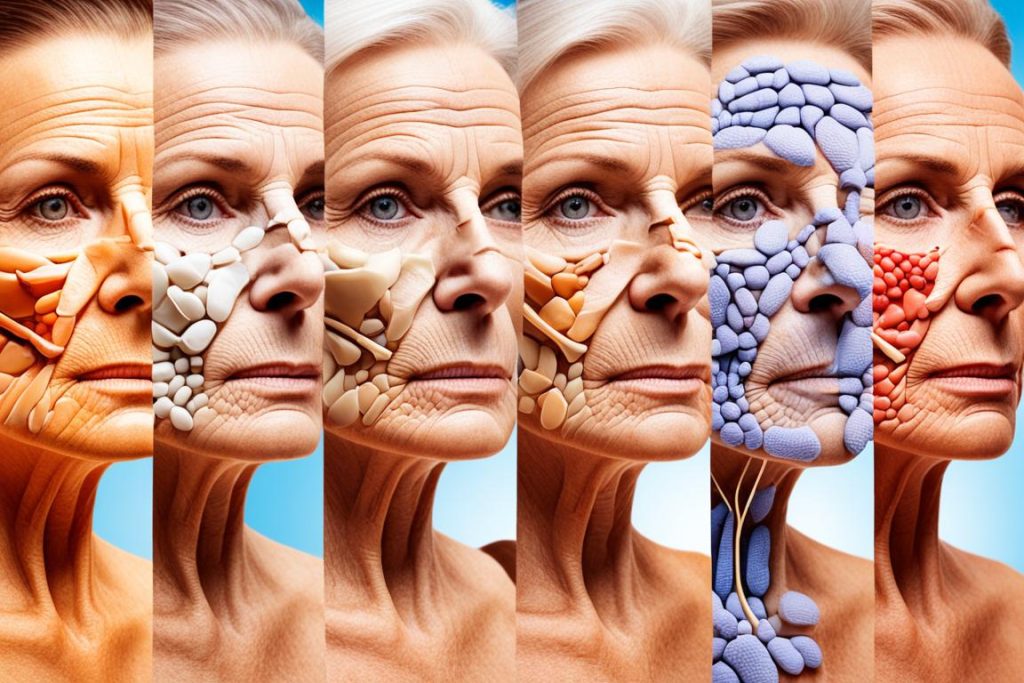

Prevention of Crepey Skin
To avoid crepey skin, be proactive in protecting and nourishing it. Include certain habits in your daily life to keep your skin healthy. This also helps soften the aging effects.
Sun Protection
Sun protection is very important to stop crepey skin. The sun’s UV rays speed up aging and hurt the skin’s proteins. Here’s how to keep your skin safe from the sun:
- Seek shade during peak sun hours, usually between 10 am and 4 pm.
- Wear sun-protective clothing, like wide hats and long, lightweight shirts.
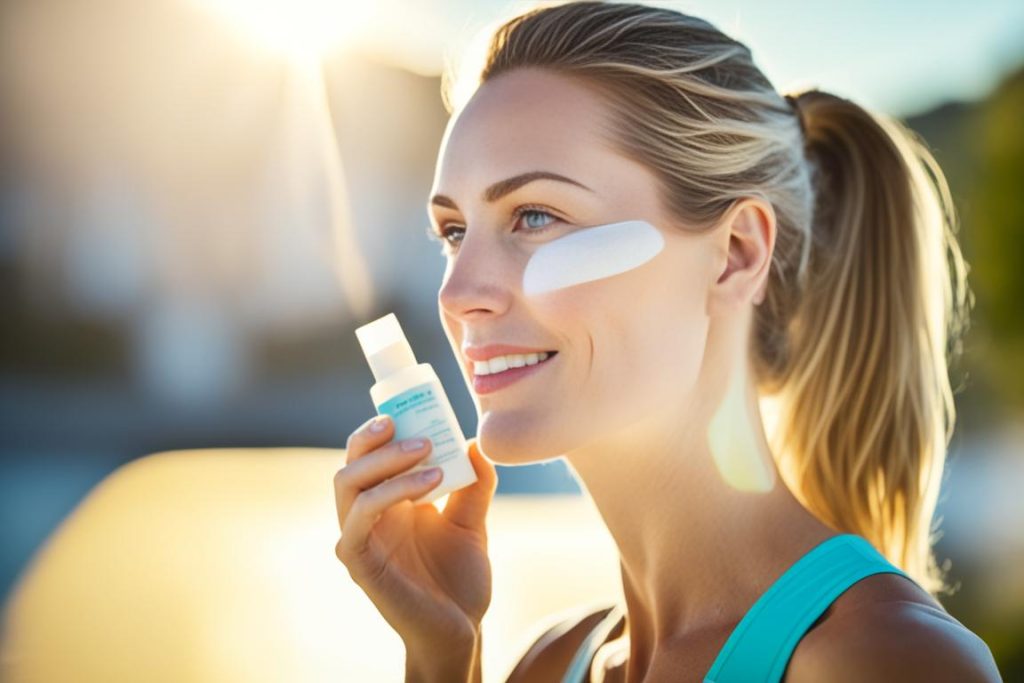
- Use a sunscreen with SPF 30 or more on your skin, including your face and neck. Reapply every two hours. Do it more when you sweat or swim.
Hydration
Staying properly hydrated keeps your skin elastic and full. Dry skin makes wrinkles look worse. To stay hydrated, do the following:
- Use moisturizers with glycerin or hyaluronic acid. They keep moisture in, making your skin supple.
- Drink enough water. Aim for at least eight glasses daily to keep your skin hydrated from the inside.
Topical Creams
Topical creams are great for preventing crepey skin. They make your skin stretchier and increase collagen, which is good for your skin’s health. Look for creams with retinol, which is a form of vitamin A. Retinol can make fine lines and wrinkles look better. It also makes your skin’s texture and tone better.
Antioxidants
Eating antioxidants helps your skin and fights off free radicals. Find them in colorful fruits and vegetables, like berries and leafy greens. These foods help counter the effects of aging. By eating a mix of antioxidants, your skin gets what it needs to look and feel good.
Doing these things helps lower the chance of getting crepey skin. Always protect your skin from the sun, keep it moisturized, use creams with retinol, and eat antioxidants. Taking good care and being consistent keeps your skin healthy and looking young.
Treatment Options for Crepey Skin
Many treatments can help manage crepey skin. They can make it look and feel better. These options encourage collagen growth, tighten loose skin, and reduce wrinkles.
Topical Retinoids
Using topical retinoids is a good choice for crepey skin. These are creams or gels with retinol, a vitamin A derivative. They make your skin shed old cells and bring new ones to the surface, improving its condition.
Fractional Laser Treatment
Fractional laser uses heat under the skin to grow new collagen. By increasing collagen, your skin becomes tighter and looks younger. It’s a great option for fighting crepey skin.
Ultrasound
Ultrasound, like Ulthera, heats deeper skin tissues with sound waves. This boosts collagen, making your skin tighter and lifted. It is good for mild to moderate crepey skin.
Cryolipolysis
Cryolipolysis targets fat but can also make the skin tighter. It removes extra fat, which can smooth out crepey skin. This process offers a more contoured look.
Fillers
Fillers work by adding volume to fill in skin creases and wrinkles. They often use hyaluronic acid or calcium hydroxylapatite. The skin appears plumper and more youthful, especially for deeper lines.
Surgery
For severe crepey skin from major weight loss, surgery may be an option. This includes removing and tightening excess skin. It’s a major step that shows big changes but requires more time to recover.
Finding the right treatment for crepey skin depends on what you need. Talking to a dermatologist or cosmetic surgeon is essential. They can help you choose the best way to get the results you want.
There are many ways to address crepey skin. From creams and lasers to surgery, solutions exist to treat various concerns. These methods aim to enhance the look of crepey skin and bring back a youthful glow.
Skin Care Tips for Crepey Skin
Looking after crepey skin the right way is key. Improve how it looks and feels with these tips.
Sun Protection
Guarding your skin from the sun is vital to stop crepey skin getting worse. Choose shade, wear protective clothes, and use sunblock with SPF 30 or more. Don’t forget to put on more every two hours, especially if you’re outside a lot.
Moisturizers
Keep your skin moist with regular use of moisturizers. Go for ones with hyaluronic acid or glycerin. Put it on while your skin is still damp to trap the moisture and get a smoother, more vital face.
Retinols
Retinol creams are big for fixing crepey skin. They’re made from vitamin A and help your skin make more collagen. Use them at night and start with a low dose. Bump it up as you get used to it to avoid skin problems.
Diet and Nutrition
The right foods make a big difference to your skin. Eat a balanced diet with lots of antioxidants, especially vitamin C, to make collagen. Lots of fruits, veggies, and whole grains make your skin healthy from the inside out.
Sugar Scrub
Scrubbing once in a while does wonders for crepey skin. A sugar scrub gently gets rid of dead skin, making it look smoother. Mix sugar with coconut or olive oil to make a simple scrub. Put it on in the shower on damp skin, rub gently in circles, then rinse with warm water. Finish off with moisturizer to keep the moisture in.
| Skin Care Tips for Crepey Skin |
|---|
| Sun Protection |
| Moisturizers |
| Retinols |
| Diet and Nutrition |
| Sugar Scrub |
Conclusion
Crepey skin looks like thin, wrinkled paper. Things like getting older, too much sun, not enough water, and even family history can cause it.
To keep crepey skin at bay, stay out of the sun and wear protective clothes. Always use a sunscreen that’s broad-spectrum and has at least SPF 30. Also, keeping your skin well-hydrated with moisturizers, especially those with hyaluronic acid or glycerin, is key.
Adding retinol creams to your skincare routine can make your skin more elastic. They help your skin make more collagen. Plus, eating healthy, with lots of colorful fruits and veggies, can really help your skin.
There isn’t a one-size-fits-all fix for crepey skin. But, there are things like retinoids, lasers, ultrasound, fillers, and even surgery that might help. It’s smart to talk to a skin doctor to see what’s best for you.
Looking after your skin with a routine that includes sun protection, moisturizing, and eating right is crucial. This can help your skin stay healthy and look younger. With the right steps, you can make a difference in how your skin looks and feels.